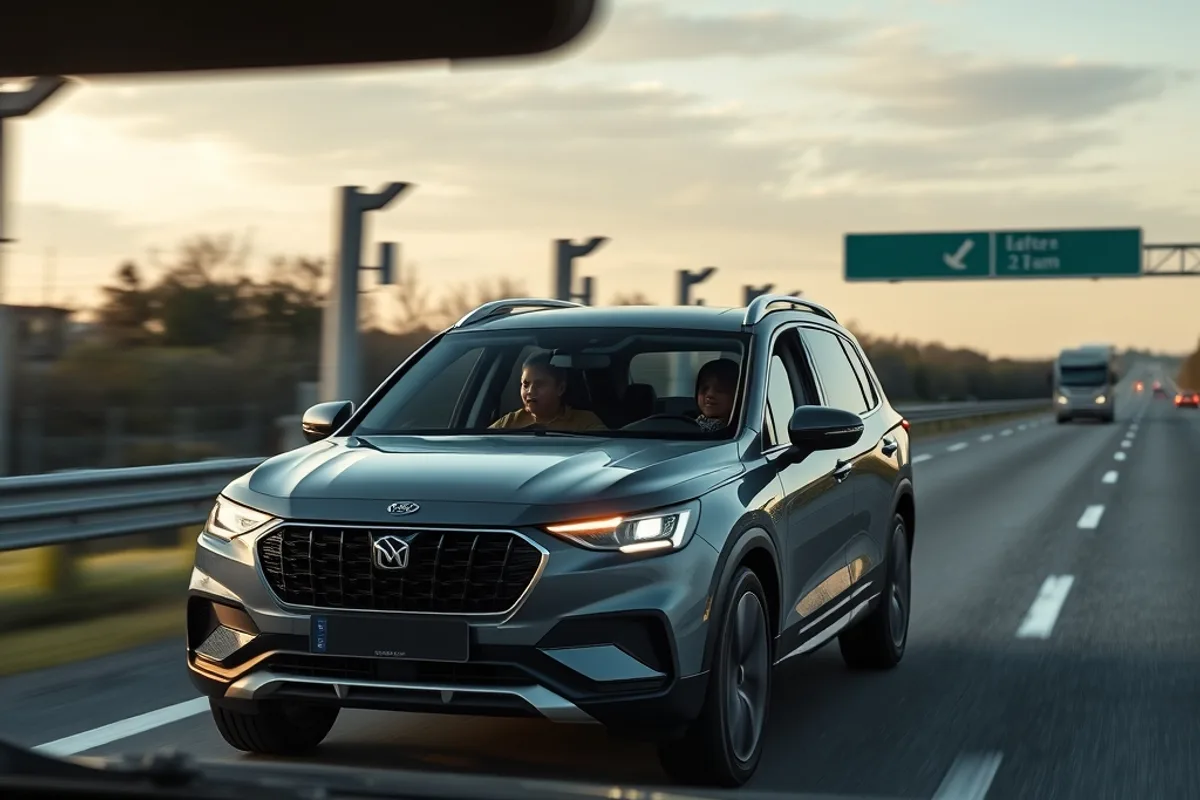
Software-Defined Cars: OTA Updates and Ownership in 2026
A software-defined car is built around a central computer that controls far more than the radio. Battery management, driver assistance, climate, lighting and charging can all be updated over the air. Done well, this keeps a three-year-old vehicle feeling current and fixes problems without a workshop visit. Done badly, it produces a car whose behaviour changes while you sleep.
The shift matters to buyers because the specification sheet is no longer the whole story. Two cars can leave the factory with identical hardware and behave differently a year later depending on how well the maker supports them. Support policy is now a buying decision, not a footnote.
What over-the-air updates can change
OTA updates fall into three rough groups. Security patches close vulnerabilities, and these should be free and automatic for as long as the car is on the road. Bug fixes correct annoying behaviour such as a laggy screen or a charging schedule that resets itself. Feature updates add or unlock functions, and this is where subscriptions and paywalls appear.
Some updates improve real ownership. A revised battery thermal strategy can protect range in winter. Better lane-keeping calibration can make a nervous system calmer. Others are cosmetic, rearranging icons and calling it a redesign. The useful question is not whether the car can update, but what the maker has actually shipped in the last two years.
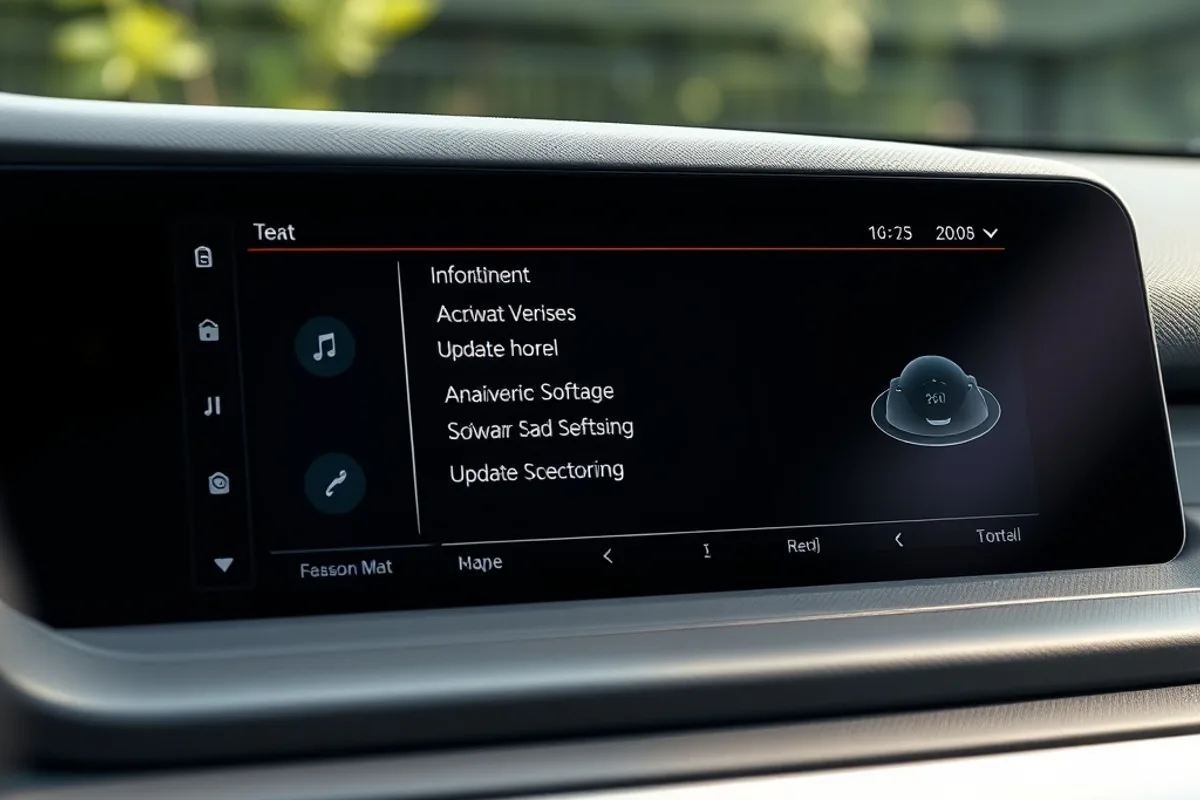
Why support length matters
Connected features depend on servers, certificates and software maintained by the manufacturer. When support ends, navigation traffic data may stop, remote start may fail, and security patches may dry up. That does not make the car undriveable, but it does affect safety and resale value.
Ask for the support commitment in writing. A useful policy states how many years of security updates you get, whether map updates are included, and what happens to connected services after the free period. Vague promises at the dealership are not a policy. Our piece on what driver assistance really does explains why calibration and software are now linked.
The subscription trap
Hardware already fitted to the car is sometimes locked behind a monthly fee. Heated seats, extra performance, advanced headlights and even some driver assistance features have been sold this way. The practice is unpopular with owners, and regulators in several markets are watching it closely.
Before you buy, list every feature that requires a subscription after the trial. Multiply the monthly cost by the years you plan to keep the car, then decide whether the feature is worth it. A three-year subscription can easily add four figures to the true cost of ownership, and it rarely improves resale value.

Security and privacy
A connected car is a computer on wheels, and that brings risk. Good makers separate safety-critical systems from infotainment, sign updates cryptographically and publish a security contact. Weak practice includes unencrypted update channels and apps that collect more data than they need.
Check the privacy settings on a test drive. You should be able to disable location history and marketing data sharing without losing core functions. If the menu is buried or the opt-out disables navigation entirely, treat that as a design choice, not an accident.
How to judge a maker's update record
Look at the last two years of release notes. Did the maker fix reported bugs? Did security patches arrive promptly? Were promised features delivered, or quietly dropped? Owner forums are useful here because they record what actually happened rather than what was announced.
Also check recall handling. Software fixes are increasingly used for safety defects, and the NHTSA recall database shows whether a model has outstanding campaigns. A maker that handles recalls and updates transparently is a safer long-term partner than one that treats software as a one-off launch event.
Buying advice for the next five years
Choose a car with enough physical controls that you can still operate it if the screen fails or support ends. Confirm the update policy in writing. Avoid paying for hardware subscriptions you would not renew. And favour makers with a public track record of shipping fixes rather than promises.
If you finance for five years, check that the car will still receive security patches in year five. Residual values are increasingly tied to support length, because no one wants a used car that cannot connect to anything. Our guide to car loans versus leases covers how to factor that into the monthly cost.
The bottom line
Software can make a good car better and a mediocre car stranger. The difference is policy, not marketing. Ask what is included, how long it lasts, and what happens when the servers go quiet. A clear answer is worth more than a bigger screen.
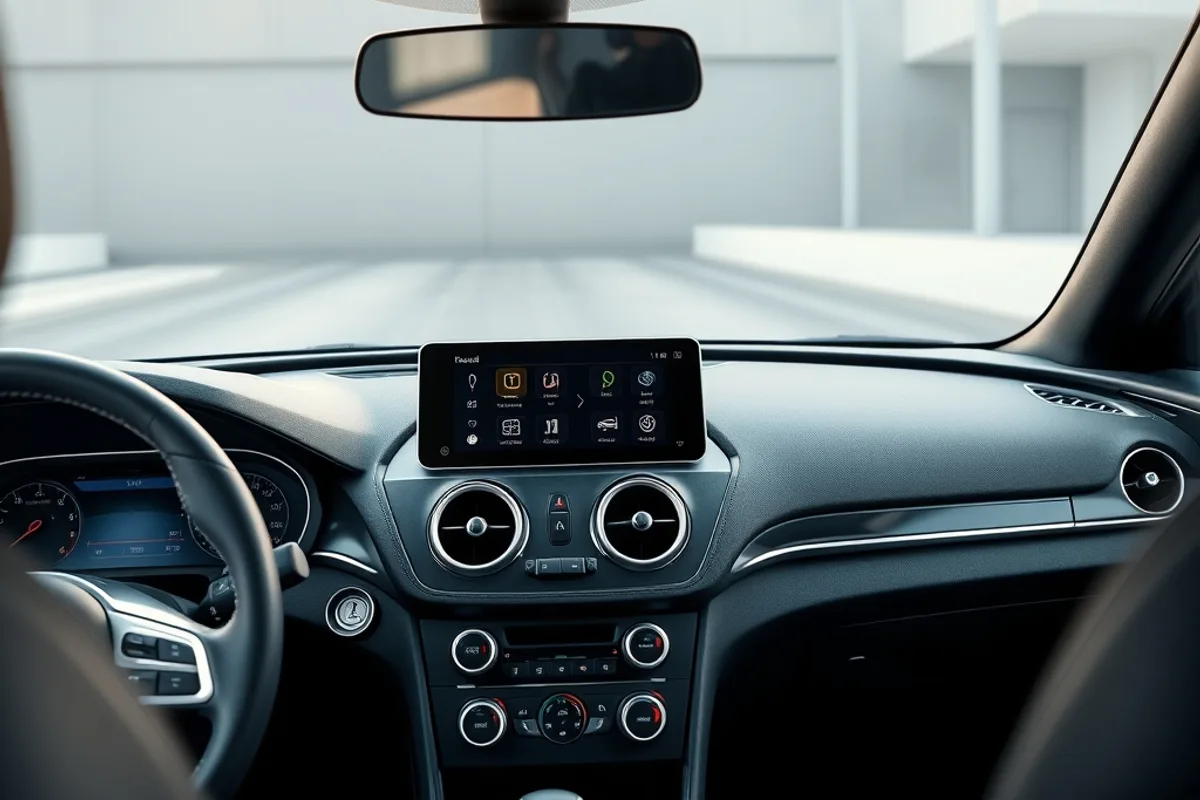
A car is no longer finished when it leaves the factory. The support policy is part of the product.Sylvesterdess Editorial
We cross-check our advice against independent, official sources. For safety data see the National Highway Traffic Safety Administration, and for real-world economy figures see FuelEconomy.gov.