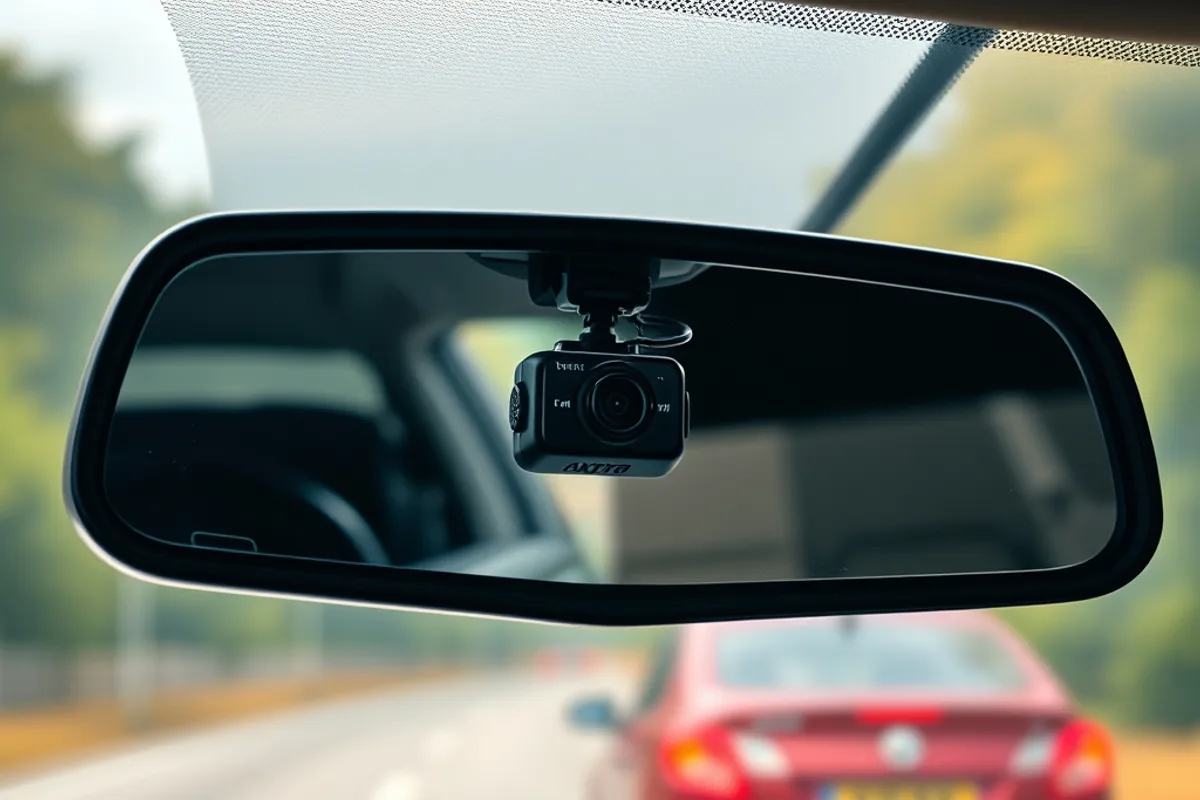
Cabin Storage: Car Organizers That Actually Work in 2026
Every car accumulates things: cables, tissues, shopping bags, a spare jumper, the umbrella you never use. Without a system, those items migrate to the footwell and under the seats, where they rattle, get stepped on and occasionally interfere with a pedal. Good storage is less about buying more containers and more about giving each item a fixed home.
The accessories below are the ones that earn their place in a real car. They are simple, cheap and easy to remove when you sell the vehicle. We also cover the safety rules that matter more than tidiness, because a loose object can become a projectile in a sudden stop.
Start with the boot
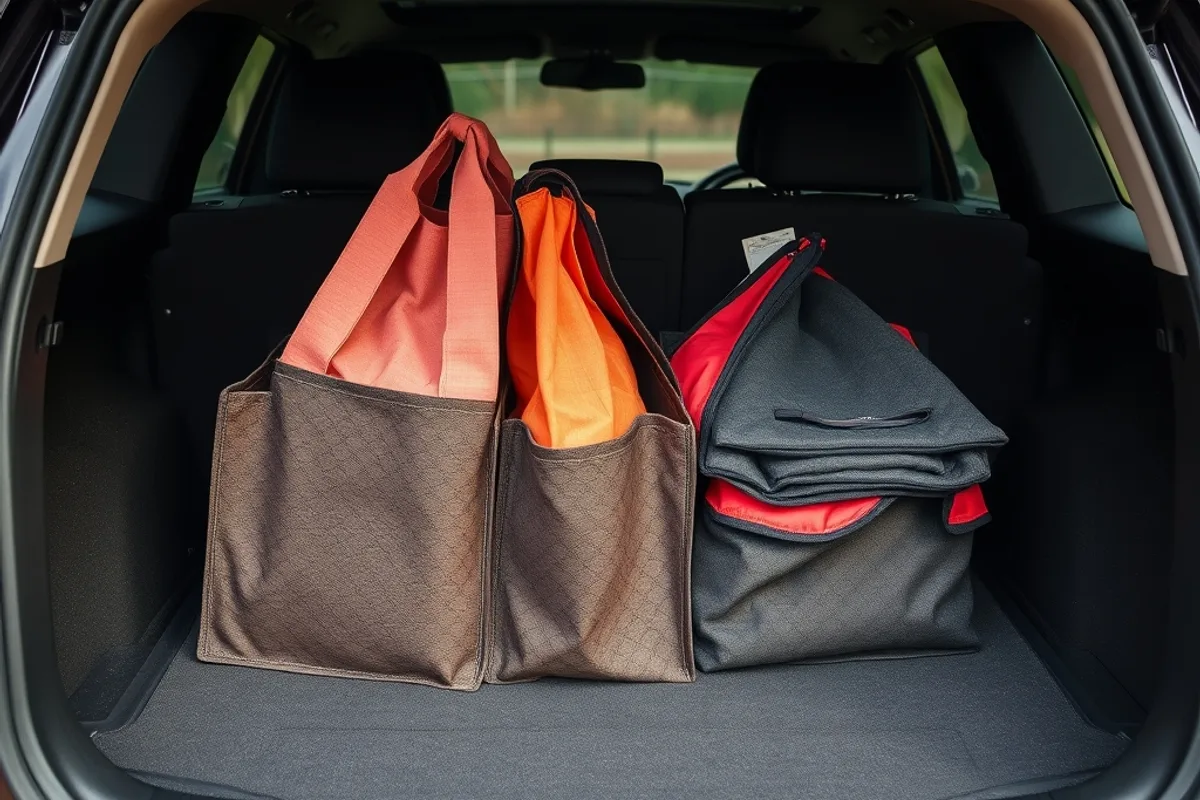
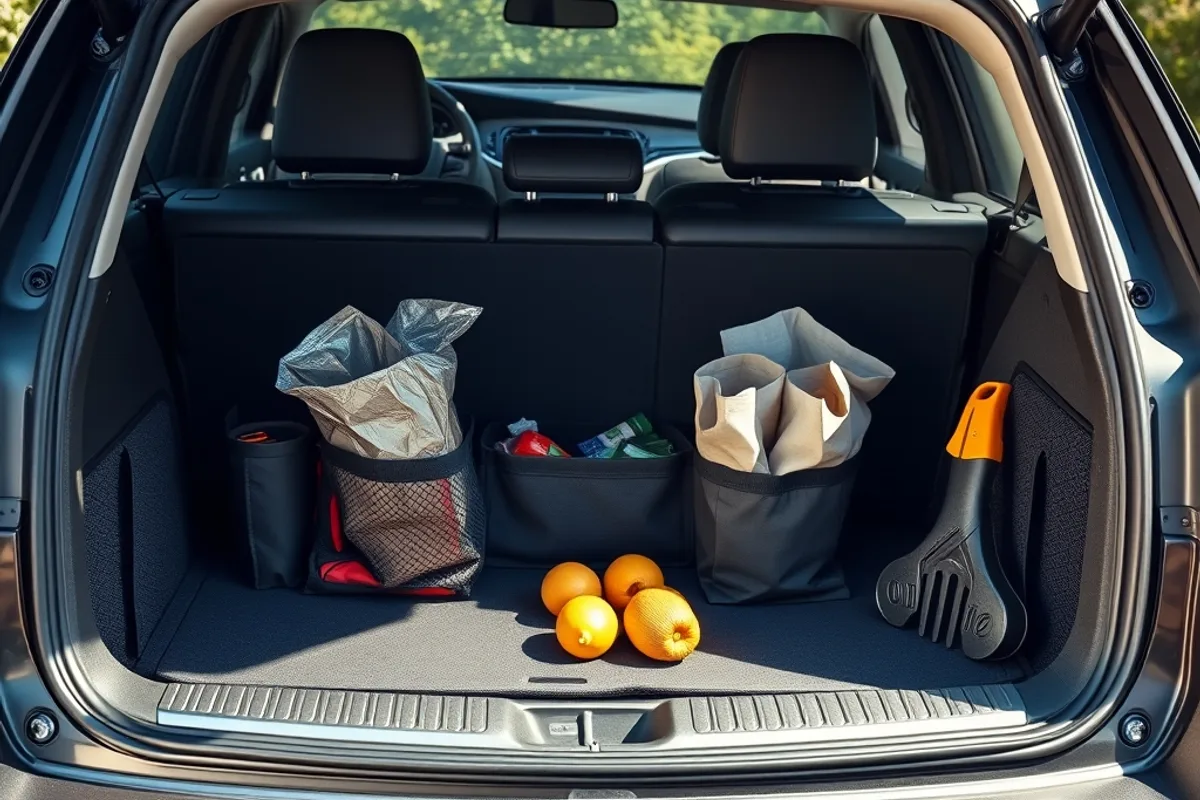
The boot is the easiest place to make a difference. A rigid organizer with grip feet keeps shopping upright, stops bottles rolling and gives tools or emergency kit a home. Choose one that fits the width of your boot and leaves room for the pram or the weekly shop. Collapsible fabric boxes are handy but tend to slide unless they have a non-slip base.
A boot divider or a cargo net is useful in estates and SUVs, where a tall load can move around. Measure the height and width before buying, and check that the divider does not block access to the spare wheel or charging cable. If you carry a dog, use a proper crate or guard rather than a flimsy organizer.
Seat-back storage
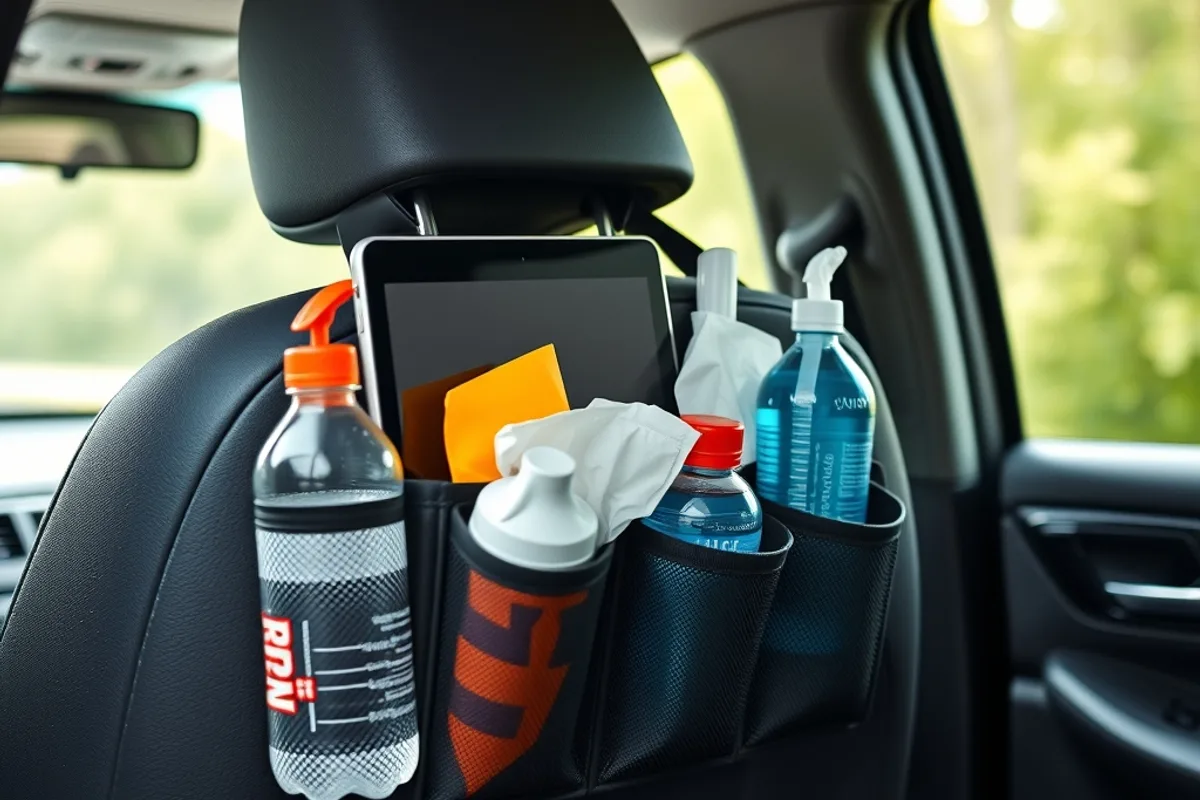
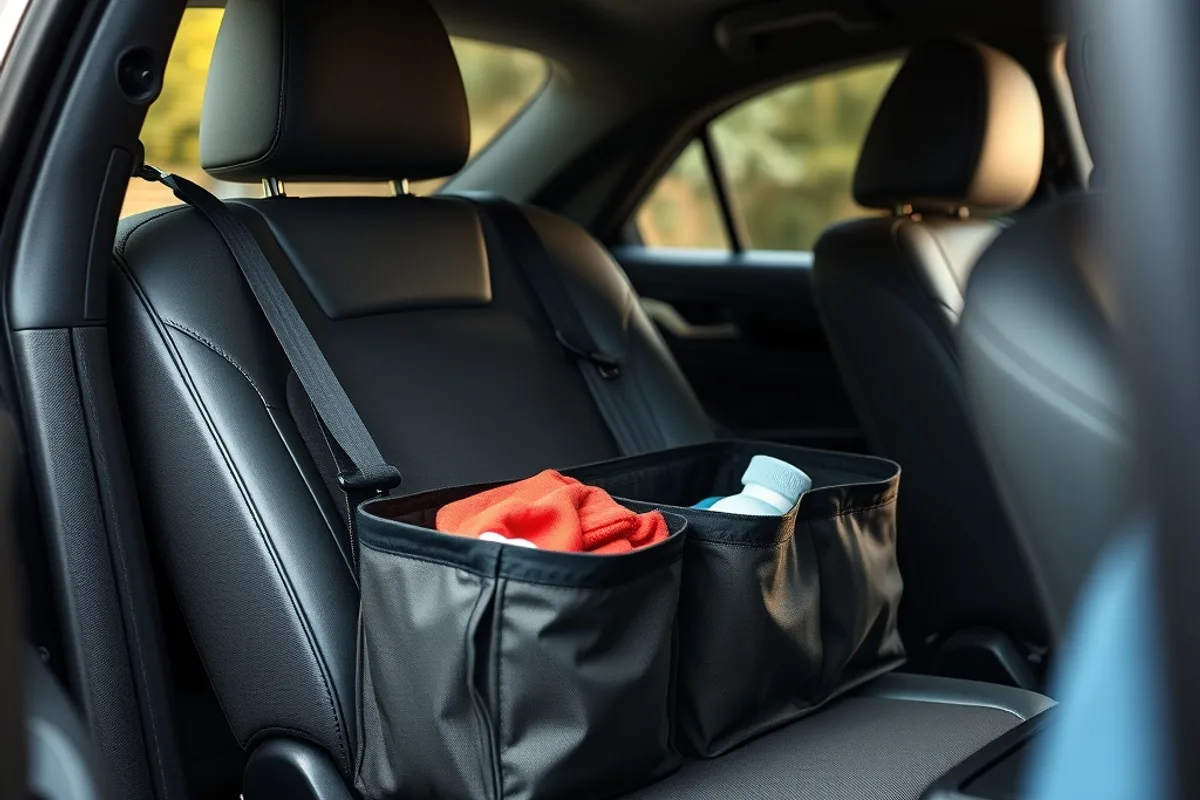
A seat-back organizer keeps the rear cabin usable on long trips. Look for one with adjustable straps, a wipe-clean surface and pockets sized for a tablet, tissues and a water bottle. Avoid loading it with heavy items, because the straps can stretch and the organizer can swing into a passenger in a stop.
Keep the pockets shallow and the contents light. A tablet is fine; a hardback book or a full water bottle is not. Check that the organizer does not cover the seat's side airbag or interfere with the folding mechanism. If it does, choose a different design.
Console and door pockets
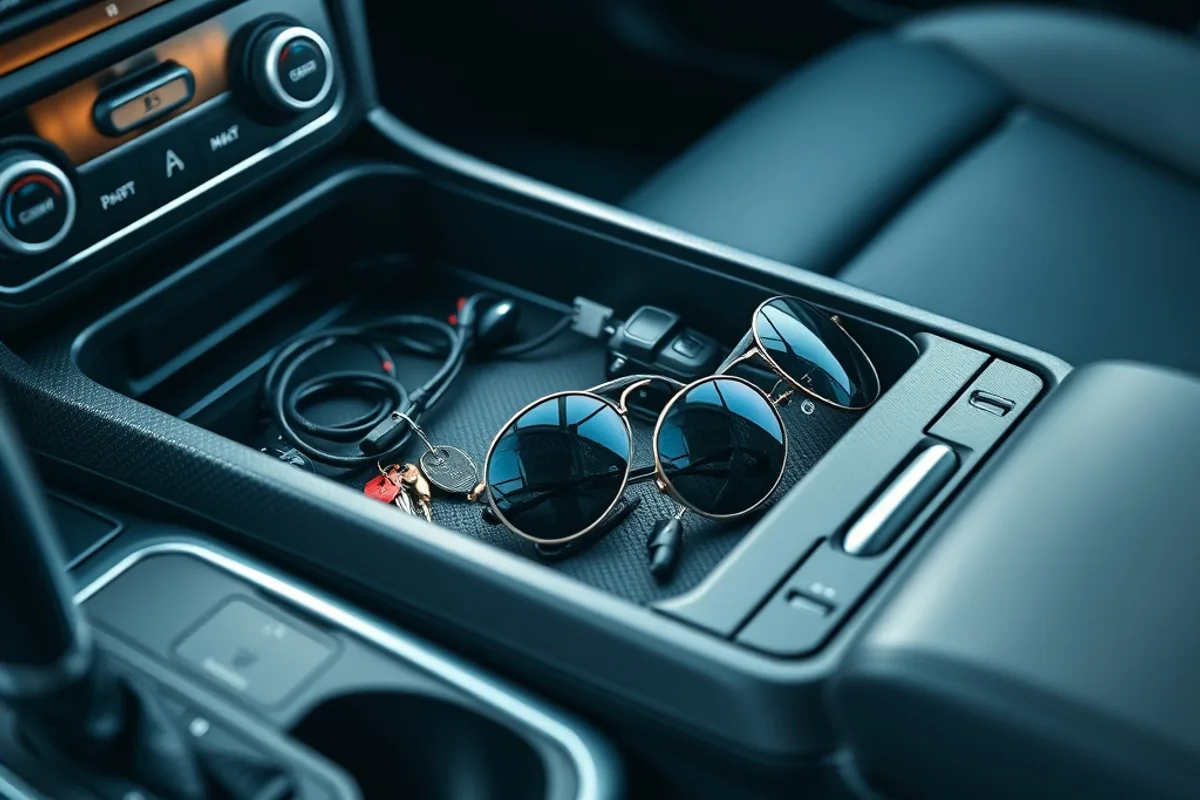
A simple console tray divides the deep storage box into a top layer for keys, sunglasses and cables and a lower layer for larger items. This is one of the cheapest upgrades you can make, and it stops the daily rummage. Choose a tray with a rubber liner so coins and keys do not rattle.
Door pockets benefit from a small removable bin or a soft pouch for charging cables. Avoid adding hard plastic inserts that rattle or block the bottle holder. In the glovebox, a document wallet keeps the manual, insurance details and service receipts together, which is useful when you need them quickly.
Under-seat and between-seat bags
A flat under-seat bag is good for a first-aid kit, a torch and a microfiber cloth. It must be thin enough that it does not interfere with seat adjustment or the airbag wiring. Avoid storing anything under the driver's seat that could slide into the pedal area.
A bag that hangs between the front seats can hold a phone, tissues and hand sanitiser, but it should not block the handbrake or the rear air vents. Check that it does not swing into the rear passenger's knees. If the fit is tight, a smaller pouch on the console is a better choice.
Safety comes before tidiness
Anything loose in the cabin can become a projectile in a crash. Heavy items belong in the boot, secured. The parcel shelf should stay clear, because it is designed to conceal the boot, not to store coats and boxes. Footwells must stay empty so the pedals can move freely.
Secure tools, bottles and shopping bags so they cannot roll under the brake pedal. If you carry a fire extinguisher or a jack, mount it properly rather than leaving it loose. Our guide to car maintenance includes a sensible emergency kit list that fits in a small organizer.
Materials and cleaning
Look for wipe-clean fabrics, reinforced stitching and metal or sturdy plastic fittings. Cheap zips and thin straps fail quickly, especially in a hot car. Avoid strong chemical air fresheners near the organizer, because they can stain fabric and leave a residue on plastic.
Empty and wipe the organizers every month. Crumbs and wrappers attract insects, and a damp bag can grow mould in the boot. A quick vacuum and a damp cloth keeps the cabin pleasant and makes the storage system last longer.
What to skip
Skip bulky organisers that fill the passenger seat, suction-mounted shelves that block the windscreen and any product that attaches to an airbag cover. Avoid seat-back tables that are too heavy for the straps or that place hard objects near a child's head. Be sceptical of "car closet" systems that promise to hold a week of clothes in a small hatchback; they usually consume the whole boot.
You do not need a matching set for every surface. Start with the boot and the console, live with it for a week, then add only what solves a real annoyance. The best system is the one you barely notice until you need something.
The bottom line
Good cabin storage is cheap, light and secure. Fix the boot first, keep the console tidy, and make sure nothing loose can reach the pedals. A calmer cabin makes every drive a little easier, and it costs far less than most car accessories.
For official guidance, see NHTSA vehicle safety information.
Storage should make the car calmer, not heavier. If an organizer rattles or blocks a seat, it is clutter with a price tag.Sylvesterdess Editorial
We cross-check our advice against independent, official sources. For safety data see the National Highway Traffic Safety Administration, and for real-world economy figures see FuelEconomy.gov.