ADAS in 2026: What Driver Assistance Really Does for Owners
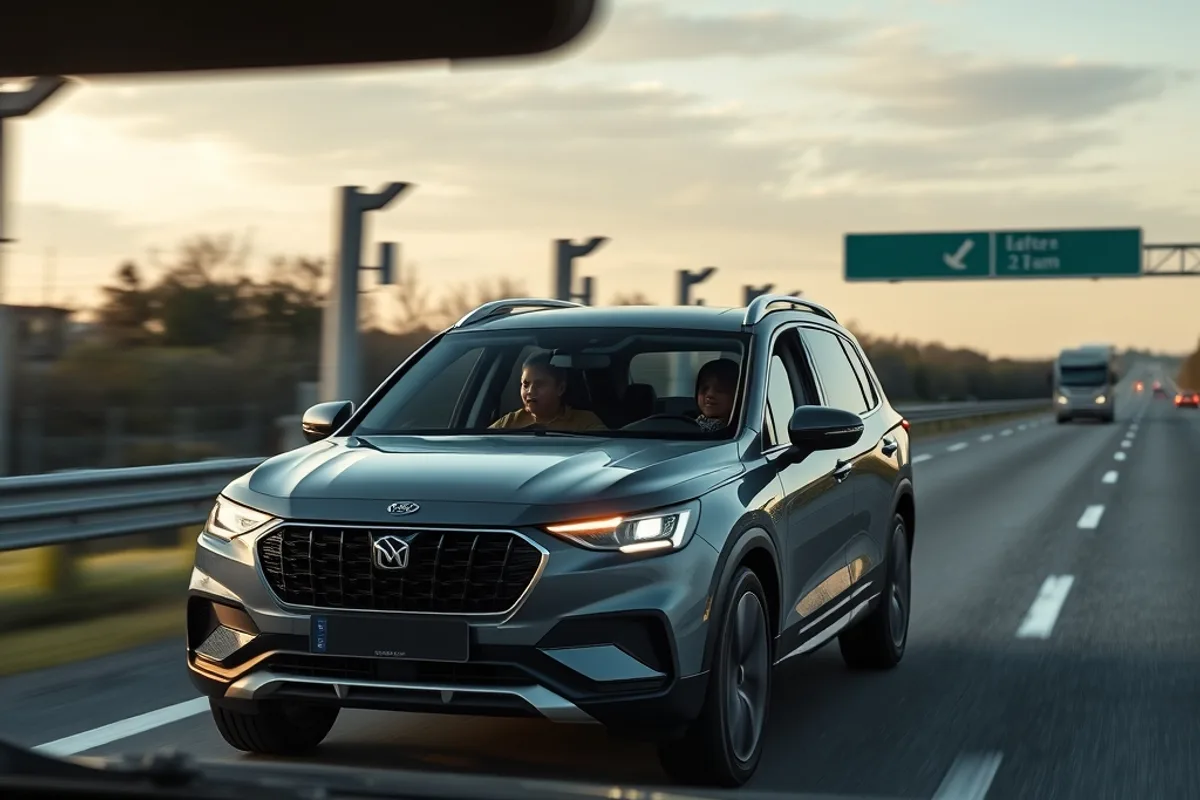
Walk into any showroom in 2026 and the sales sheet is crowded with three-letter systems: AEB, LKA, ACC, BSD. They sound like a secret code, and dealerships often explain them badly. In practice, advanced driver assistance systems are a set of separate tools that help with specific tasks. Some are excellent. Some are annoying. None of them drive the car for you.
This guide explains what each system does, where it tends to fail, and how to test it during a normal test drive. We also cover the ownership costs nobody mentions at handover, because sensors are expensive parts and they do not like dirt, stones or a crooked bumper.
What ADAS actually includes
Automatic emergency braking, or AEB, watches the road ahead and applies the brakes if a collision looks likely and the driver has not reacted. Lane keeping assistance nudges the wheel when you drift over a marking. Adaptive cruise control holds a set speed and a following gap. Blind spot monitoring lights a warning in the mirror when a car sits alongside. Rear cross traffic alert helps when reversing out of a space.
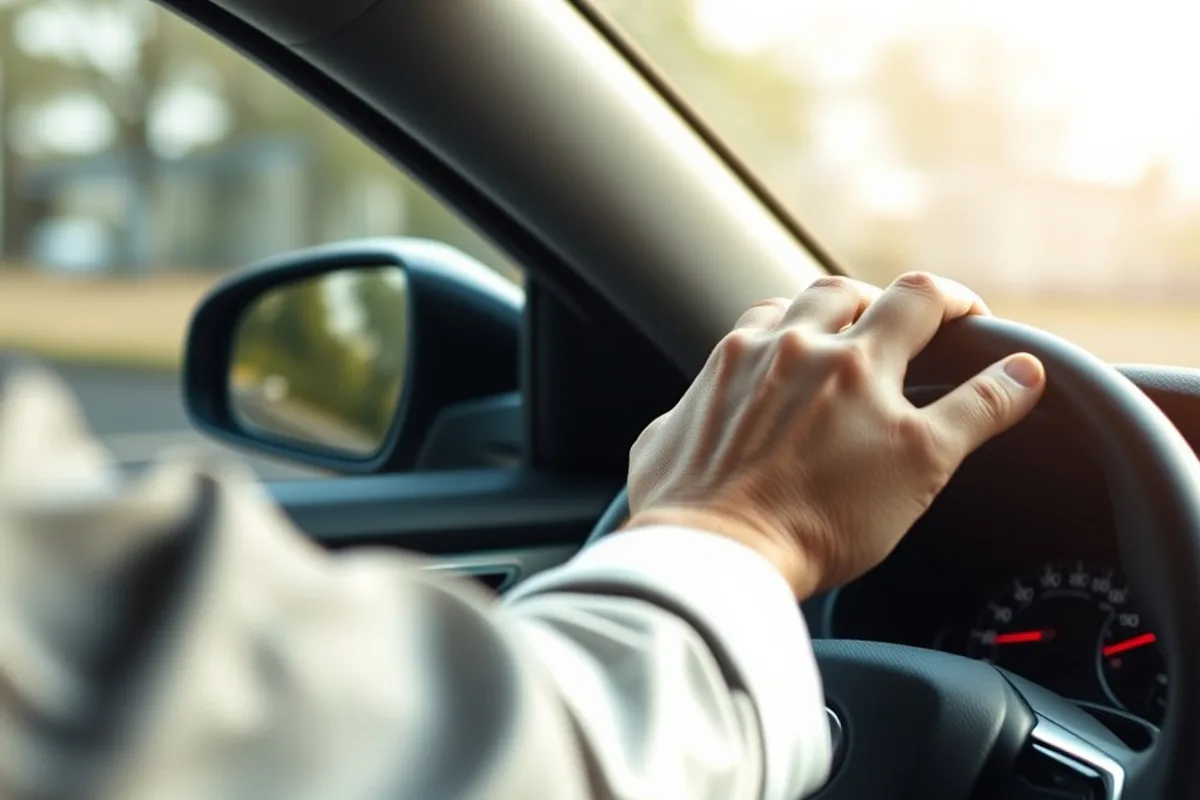
These are convenience and safety aids, not autonomy. Even the most advanced systems sold to the public in 2026 sit at level two, which means the driver remains responsible at all times. The National Highway Traffic Safety Administration is clear that these features assist a human driver rather than replace one.
Where the systems perform well
On a clear motorway with fresh markings, adaptive cruise and lane centring can remove a surprising amount of fatigue from a long drive. AEB has measurable real-world benefits in low-speed traffic, where rear-end shunts are common. Blind spot warnings are genuinely useful in heavy multi-lane traffic, especially in cars with thick pillars.
The best implementations share a trait: they feel boring. They intervene early and gently, then stay quiet. A good lane system keeps the car centred without tugging. A good adaptive cruise slows smoothly when a car cuts in. If the system constantly beeps or fights your hands, it will be switched off within a week, which defeats the purpose.
Where they struggle
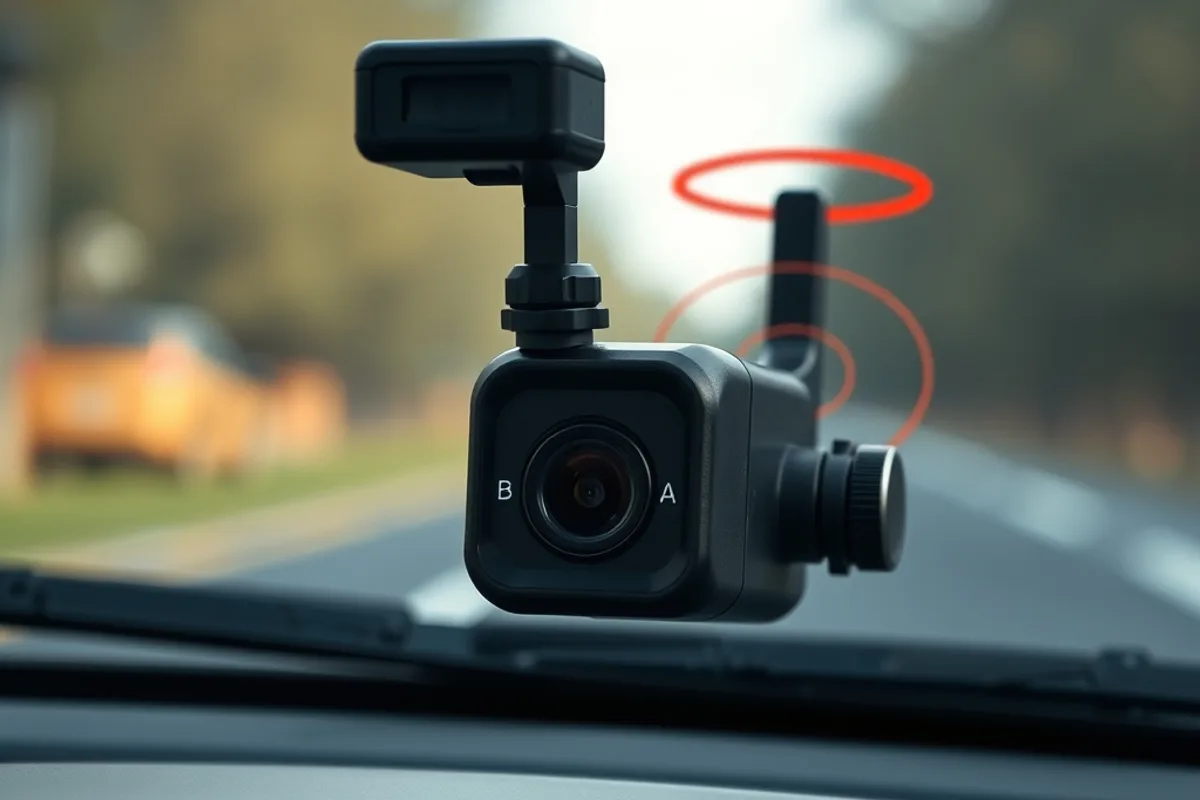
Weather is the great equaliser. Heavy rain, snow, fog and low sun can confuse cameras and radar. Roadworks with temporary markings, worn paint and sharp shadows are another weak spot. A system that works perfectly on a press launch may hesitate on a wet B-road at dusk.
Cameras also need a clean windscreen. A chip or a smear directly in front of the lens can disable lane keeping and traffic sign recognition without an obvious warning. This is why the handbook tells you to keep that patch clean, and why a cracked screen can become a calibration job rather than a simple glass swap.
How to test ADAS on a test drive
You do not need a closed track, but you do need a mix of roads. Start on a dual carriageway and set adaptive cruise to a sensible speed. Notice how it reacts when a slower car pulls into your lane: does it brake early or late? Then find a quiet road with faded markings and see whether lane keeping stays calm or saws at the wheel.
Test the climate and volume controls without looking away from the road. Many modern cabins hide basic functions in a touchscreen, and a system that requires three taps is a distraction even when it works. Finally, ask the dealer to show you where the sensor calibration is documented and what happens after a windscreen replacement.
Ownership costs and repairs
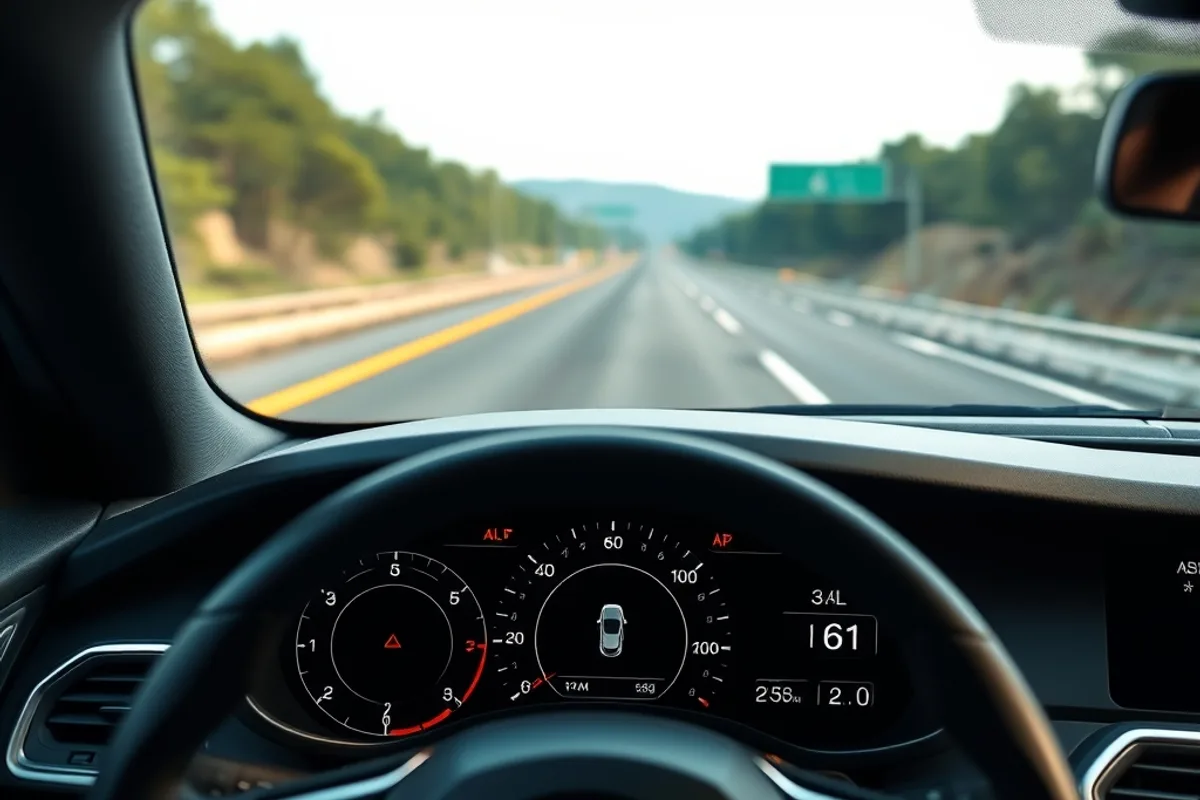
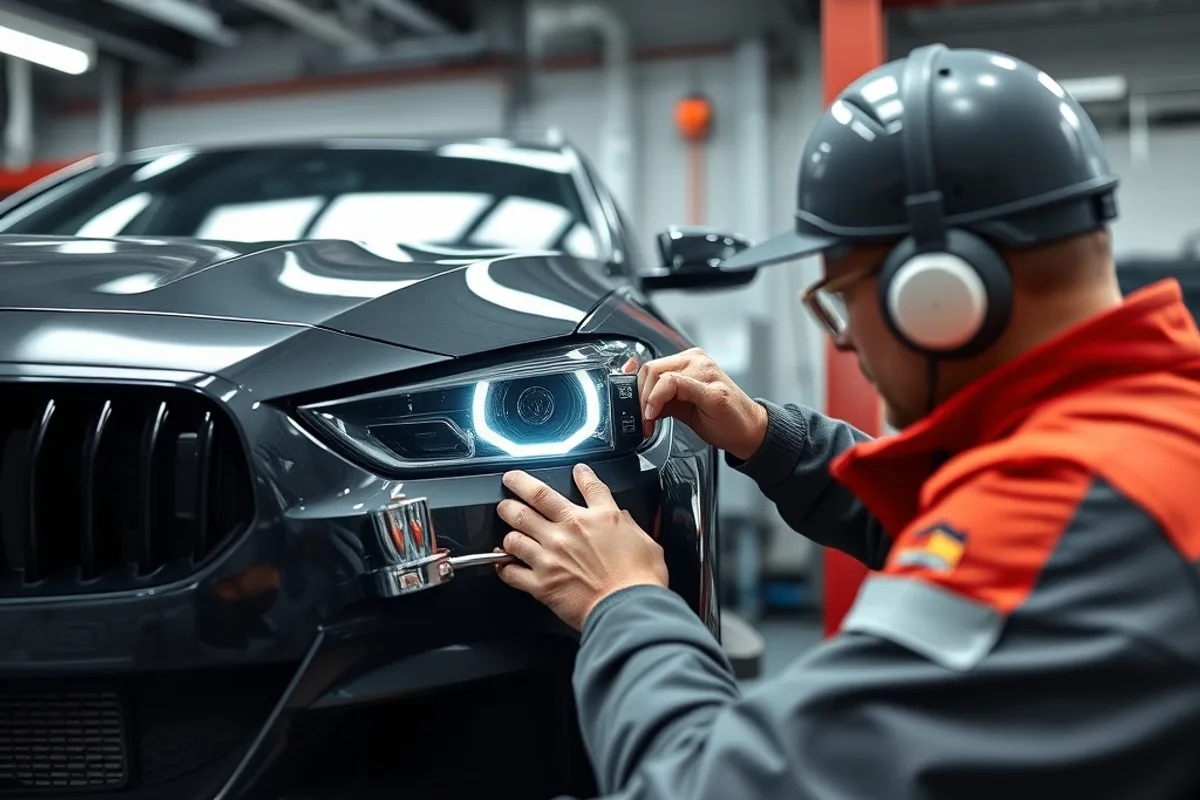
ADAS adds parts that can break. A front radar behind the bumper is vulnerable in a minor parking knock. A camera behind the windscreen may need recalibration after glass work. Some insurers charge more for cars with expensive sensor arrays, while others offer a discount for AEB. It is worth getting a quote before you buy, not after.
Diagnostics matter too. A used car with a warning light for lane assist may simply need a clean sensor, or it may need a four-figure calibration. Ask for a scan report and confirm the system is active before you sign. Our guide to software-defined cars and over-the-air updates explains why some fixes now arrive remotely while others still need a workshop.
What to look for in 2026
Prioritise automatic emergency braking, blind spot monitoring and rear cross traffic alert. They address common, expensive crashes. Treat lane centring and adaptive cruise as comfort features and judge them on smoothness rather than marketing language. Check that the car has physical controls for the functions you use most.
Above all, read the owner's manual section on limitations and keep your attention on the road. Assistance is at its best when it is invisible, and at its worst when a driver trusts it too much. A car that helps quietly is worth more than one that advertises loudly.
The bottom line
ADAS in 2026 is mature enough to be genuinely useful and limited enough to demand your attention. Buy the safety basics, test the comfort systems on real roads, and budget for sensor care. The technology should make you a calmer driver, not a passenger in your own car.
ADAS is a second pair of eyes, not a replacement for the first pair. The moment you stop watching is the moment it matters most.Sylvesterdess Editorial
We cross-check our advice against independent, official sources. For safety data see the National Highway Traffic Safety Administration, and for real-world economy figures see FuelEconomy.gov.