EV Battery Health: How to Protect Range for Years Longer
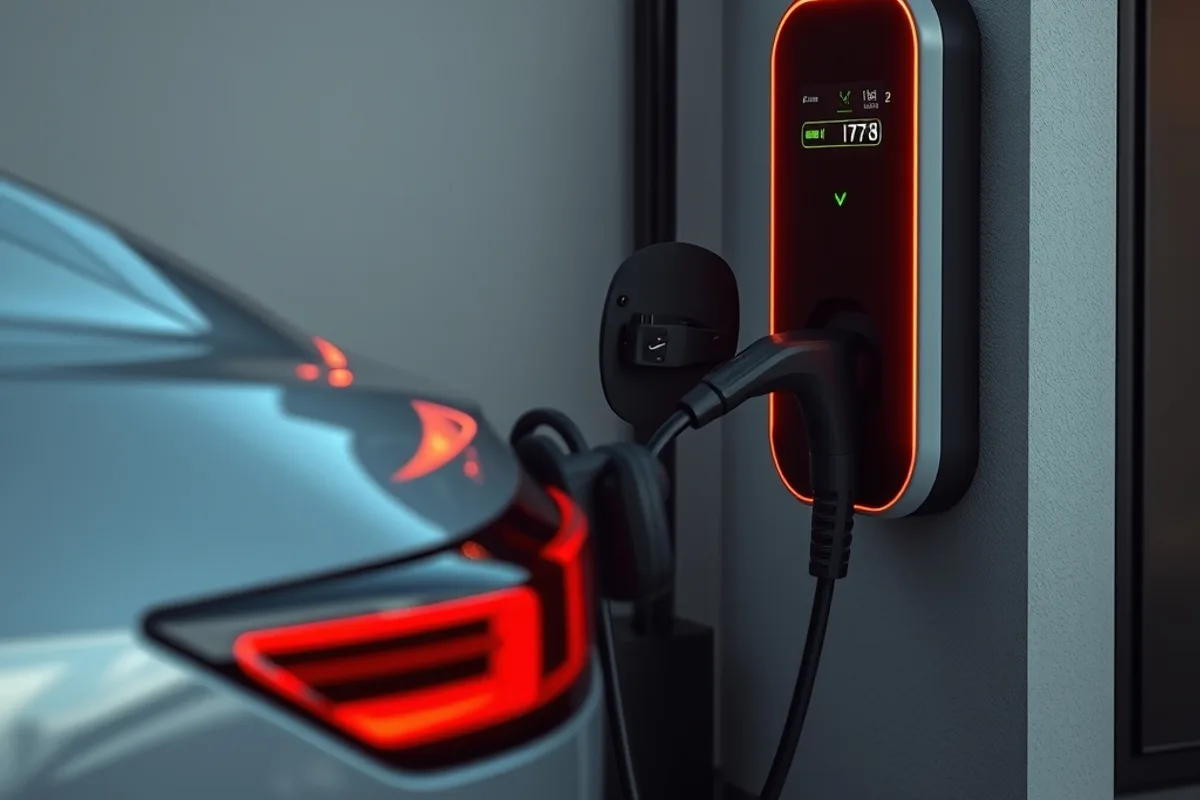
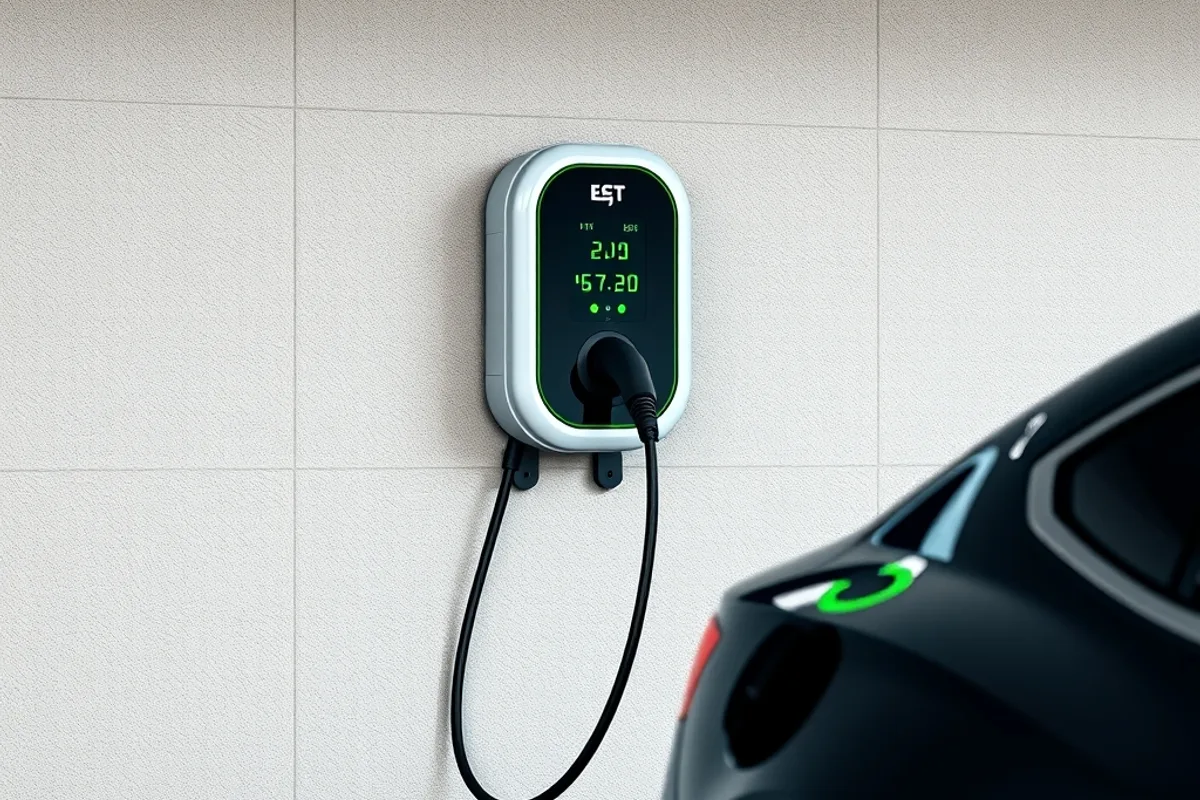
Every electric car owner eventually asks the same question: how long will the battery last? The honest answer is that most packs outlive the average ownership period, but capacity does decline with age and use. The rate of decline depends on chemistry, climate and, importantly, how the car is charged and stored.
Understanding a few principles lets you protect range without babysitting the car. It also helps when buying a used EV, where a battery health report is more useful than a shiny paint job.
Why batteries lose capacity
A lithium-ion battery stores energy by moving ions between electrodes. Over time, chemical side reactions reduce the amount of active material and increase internal resistance. The result is less usable capacity and slower charging at high states of charge. Heat accelerates these reactions, which is why climate matters so much.
Most modern packs have a buffer at the top and bottom, so the displayed 100 percent is not the cell's true maximum. That buffer protects the battery from the worst extremes. Even so, regularly charging to a true full and leaving the car parked hot is harder on the pack than a moderate routine.
Charging habits that help
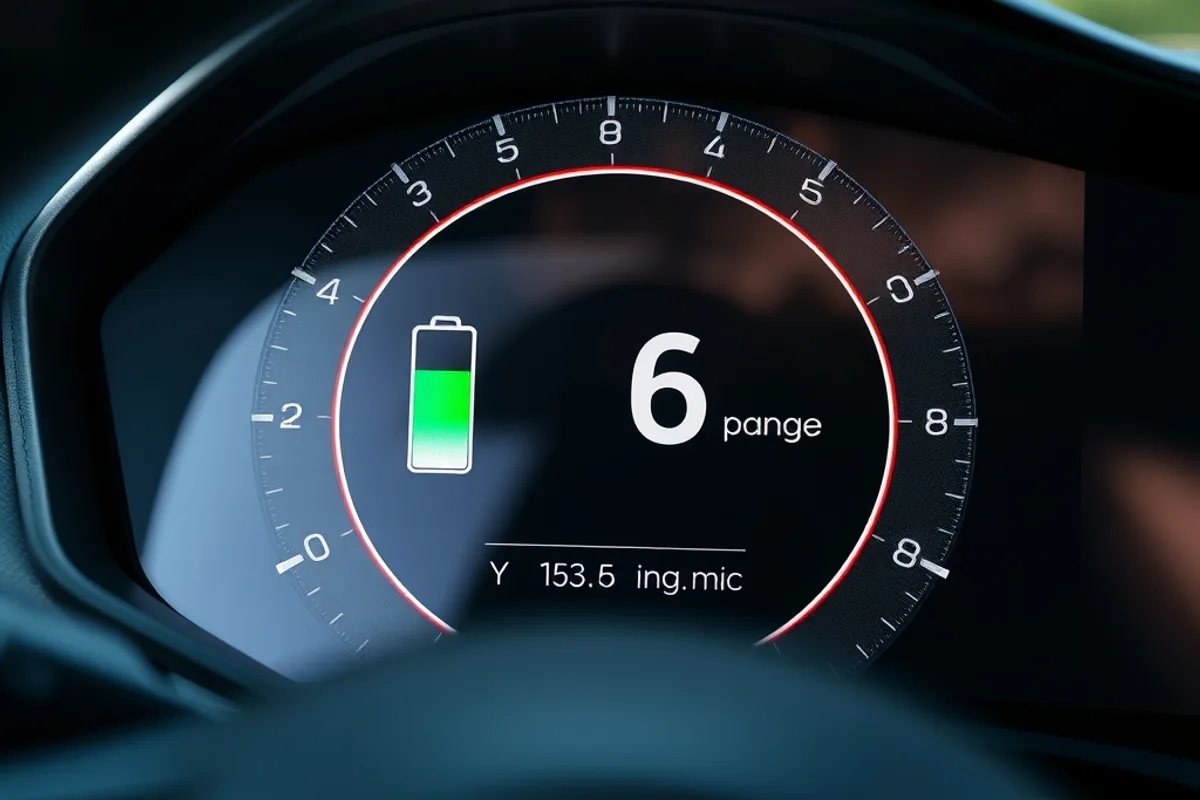
For daily driving, set the charge limit to around 80 percent and plug in when the battery drops below roughly 20 percent. This keeps the cells in a comfortable middle range. Charge to 100 percent only when you need the range for a trip, ideally shortly before departure.
DC fast charging is convenient but stresses the battery more than AC charging, especially in hot weather. Use it when you need it, not as a default. If the car allows it, pre-condition the battery before a fast charge so it accepts power efficiently without overheating.
Temperature and parking
Heat is the quiet enemy. Park in shade or a garage when you can, and avoid leaving a fully charged car in the sun for days. In cold weather, the battery temporarily loses usable range, but that is not permanent damage. Use the car's pre-conditioning while plugged in to warm the pack before a trip.
If you store the car for weeks, leave it at a moderate charge rather than full or empty. Check the manual for the recommended storage level. A battery left at a very low state for a long time can suffer irreversible damage.
What actually shortens life
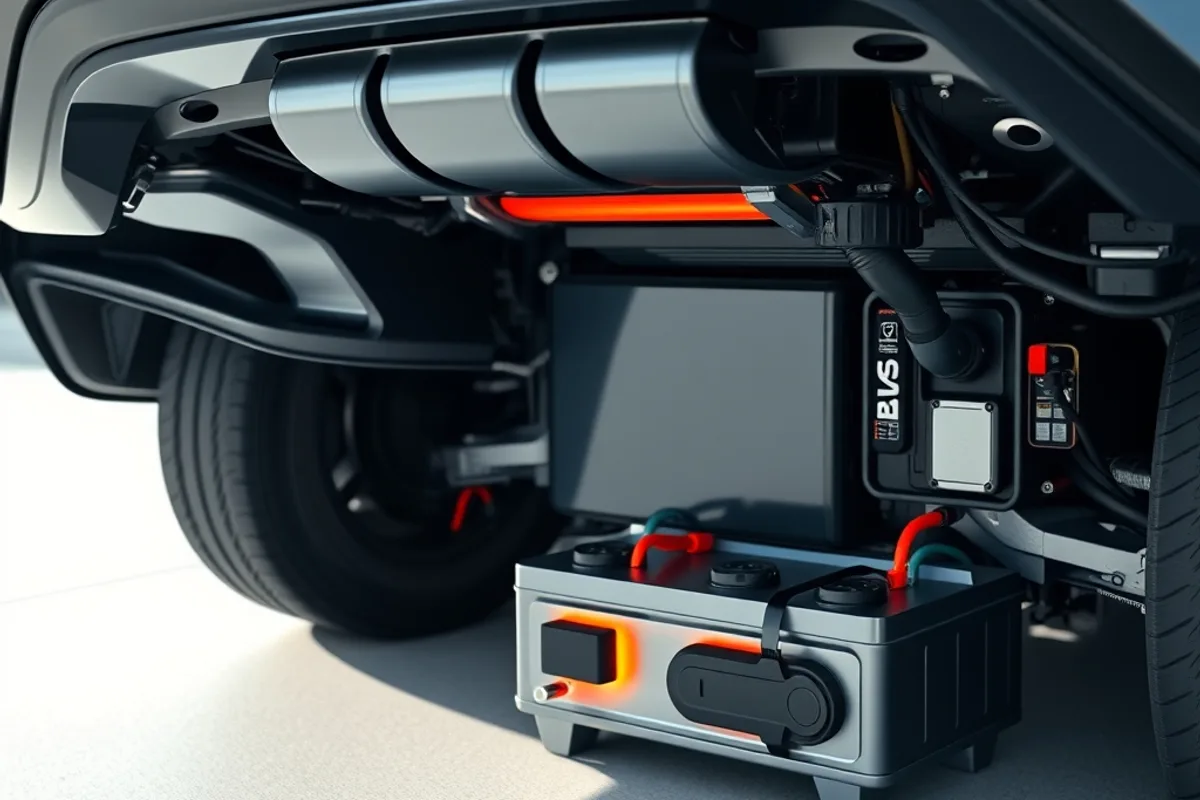
Frequent full charges in hot weather, repeated deep discharge, and constant fast charging are the main avoidable stressors. Leaving the car plugged in at 100 percent for days adds heat and time at a high voltage. Using the car's scheduled charging and charge limit is the simplest defence.
Aggressive driving also matters indirectly, because it heats the pack and draws high current. You do not need to drive slowly, but a smooth style is gentler on the battery and the tyres. Our guide to home EV charging explains how to schedule cheap, gentle overnight charging.
Checking a used EV
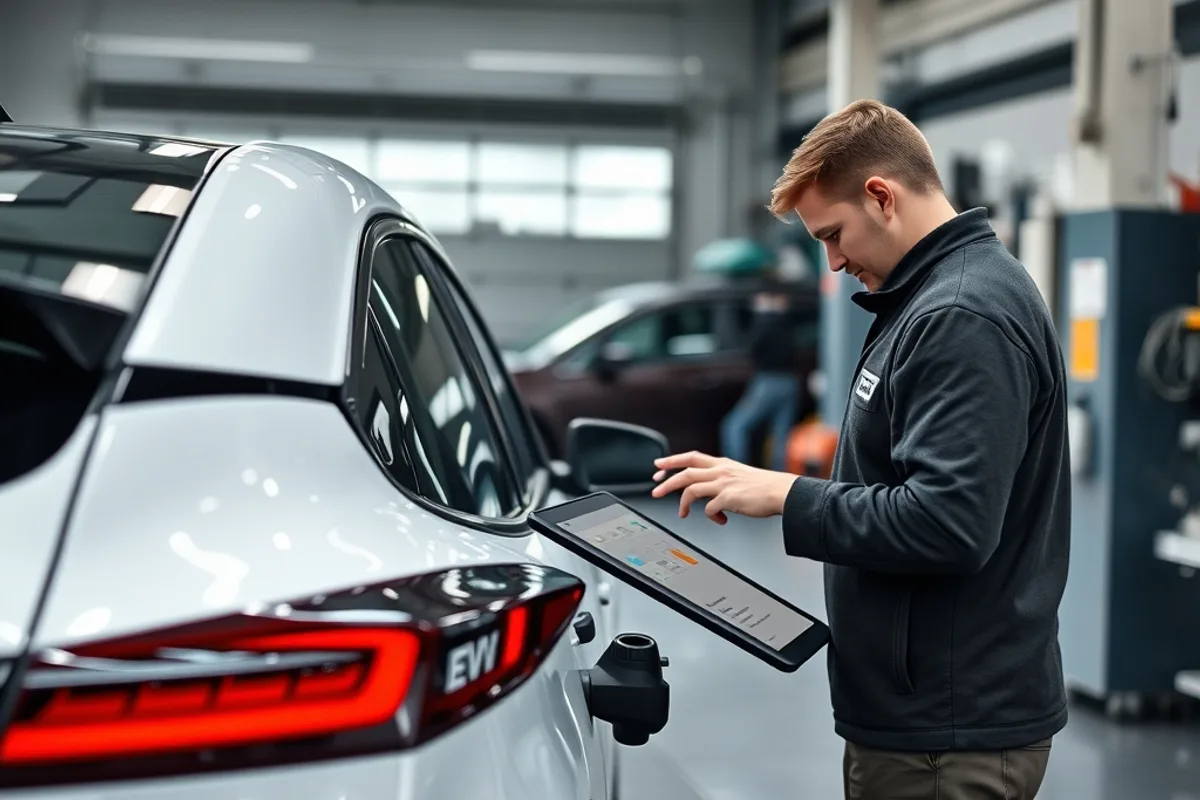
Ask for a battery health report or state-of-health figure from a dealer or independent inspection. A diagnostic scan can show usable capacity, cell balance and fault history. Compare the reported range with what the car actually displays after a full charge; a large gap can indicate a problem.
Test the car on a route that includes a fast charger. Watch the charging curve: a healthy pack accepts a strong initial rate before tapering. A pack that throttles almost immediately in mild weather may be hot, degraded or faulty. Check the warranty terms, because most manufacturers cover the battery for eight years or a set mileage, often with a capacity threshold.
What the warranty really covers
Battery warranties usually guarantee a minimum capacity, often around 70 percent, for a defined period. They may exclude damage from abuse, flooding or unauthorized repairs. Read the terms before you buy, and keep service records. A warranty that sounds generous can be limited by conditions on charging and storage.
If capacity drops below the threshold during the warranty period, the maker may repair, replace modules or replace the pack. The process can take time, so document the issue with screenshots and dealer visits. The Department of Energy has useful background on how EV batteries are designed and managed.
Everyday tips that add up
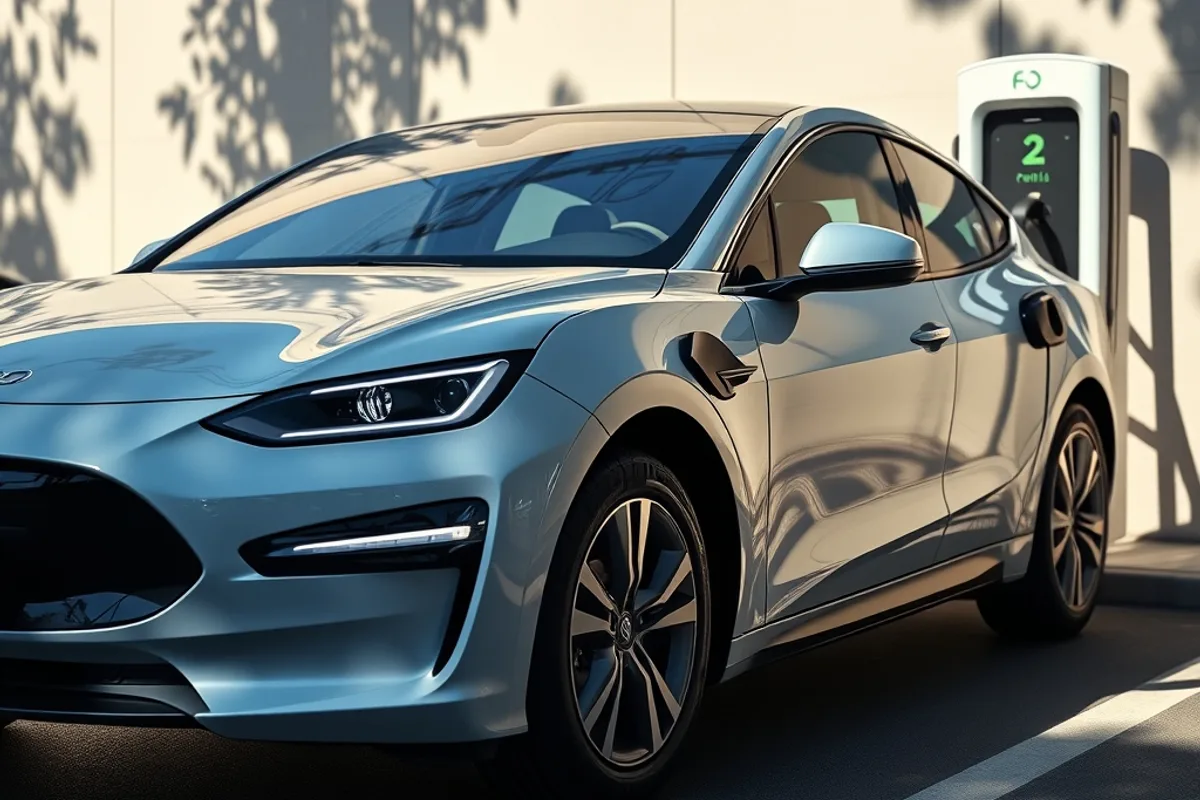
Use the charge timer, avoid leaving the car at 100 percent, park in shade and pre-condition before a trip. Keep tyres at the correct pressure, because low pressure wastes range. Remove roof racks and heavy clutter when you do not need them. These small habits protect both range and battery life.
Do not obsess over every percentage point. A modern EV is designed to be used, and the difference between a careful owner and a relaxed one is smaller than the internet suggests. The goal is to avoid the few habits that genuinely accelerate wear.
The bottom line
EV batteries age, but good habits slow the process. Charge in the middle range, avoid heat and unnecessary fast charging, and check health before buying used. Treat the pack well and it will likely outlast your ownership.
A battery does not fail overnight. It loses capacity in small, predictable ways, and the owner’s habits decide how fast.Sylvesterdess Editorial
We cross-check our advice against independent, official sources. For safety data see the National Highway Traffic Safety Administration, and for real-world economy figures see FuelEconomy.gov.