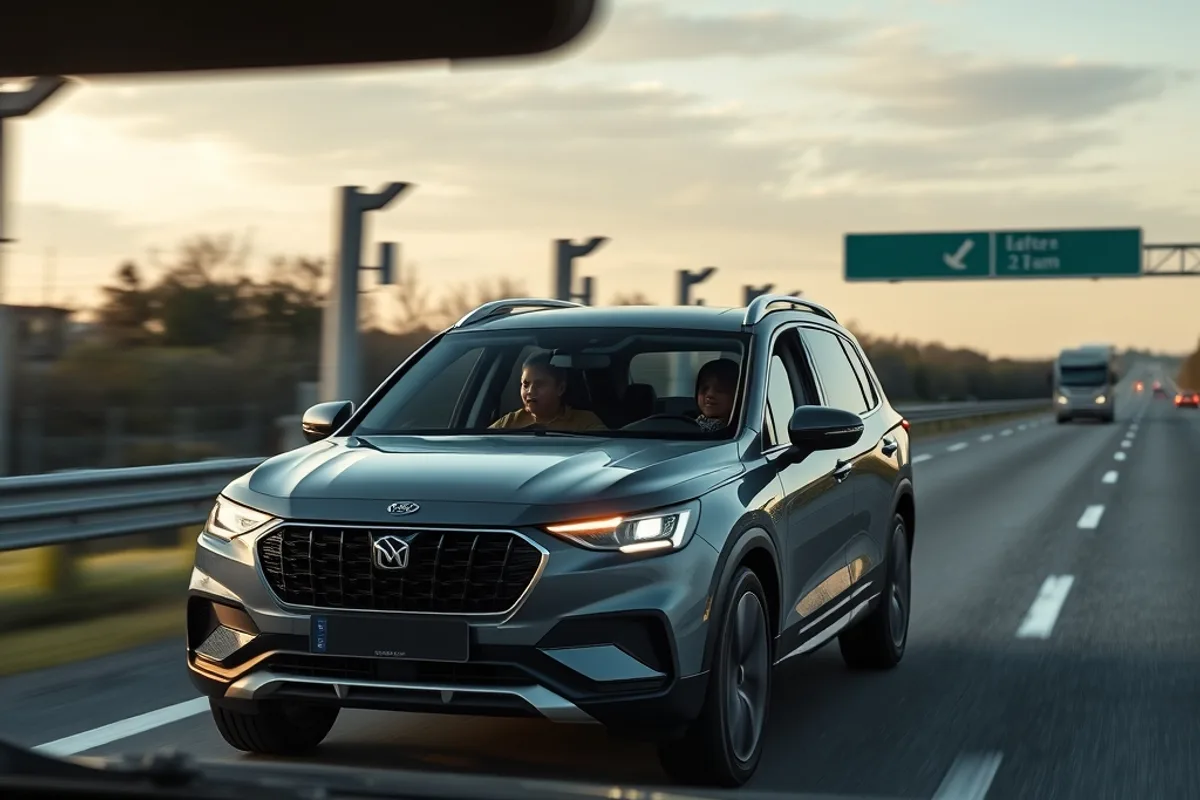
Car Loan vs Lease in 2026: The Real Math for Buyers

Car finance adverts love the monthly payment. It is the smallest number on the page and the easiest to compare. Unfortunately, it is also the worst way to decide between a loan and a lease. The two products are structurally different, and a lower payment can hide a higher total cost.
This guide compares loans and leases in plain terms, with the factors that actually change the math in 2026. Figures vary by country, credit score and model, so use the framework rather than a single rate.
The basic difference
With a loan, you borrow money to buy the car and repay it with interest. At the end, you own the vehicle and can sell it, keep it or trade it in. With a lease, you pay for the depreciation during a set term and return the car at the end, usually with mileage and wear conditions attached.
A lease payment is generally lower because you are financing only part of the car's value. A loan payment is higher because you are financing the whole purchase. The comparison only becomes fair when you account for what you have at the end and what you paid along the way.

Monthly payment vs total cost
Add up every cost over the term: deposit, monthly payments, fees, taxes, insurance differences, maintenance and any end-of-lease charges. Then subtract what the car is worth at the end, if you own it. That gives a comparable cost of use.
For example, a lease may cost less each month but leave you with nothing after three years. A loan may cost more each month but leave you with an asset worth a substantial sum. If you plan to keep the car for years, the loan often wins. If you want a new car every three years and drive within the mileage limit, a lease can be reasonable.
Mileage limits and wear charges
Leases come with an annual mileage allowance. Exceed it and you pay a per-mile penalty that can be steep. Wear charges for tyres, scratches and interior damage can also add up. Read the wear standard before signing and photograph the car at handover.
If your commute is long or unpredictable, a low-mileage lease is a trap. A loan has no mileage penalty, although high mileage reduces resale value. Be realistic about your annual distance rather than choosing the cheapest advertised allowance. Our guide to car maintenance can help you estimate running costs over the term.

Depreciation and residual value
Depreciation is the largest cost of new-car ownership, and it drives both products. A lease bundles depreciation into the payment. A loan exposes you to it through resale value. Cars with strong residual values tend to lease well and hold value for owners; cars with weak residuals can be expensive either way.
Research projected resale values before you commit. A model with a facelift or a new generation due soon may depreciate faster. A popular trim with sensible options usually holds value better than a fully loaded one with expensive tech that dates quickly.
Insurance, maintenance and taxes
Leases often require higher insurance limits and may require gap coverage. Some leases include maintenance; others do not. Loans may have lower insurance requirements, but you bear the full repair risk once the warranty ends. Tax treatment varies widely by region, especially for business use.
Ask for the insurance cost on both options before deciding. A lease that looks cheap can become expensive when the required cover is added. A loan on an older car may cost less to insure but more to maintain. The Consumer Financial Protection Bureau has useful tools for comparing loan offers.

Exit strategies and early termination
Ending a lease early can be expensive, with remaining payments or an early termination fee. Ending a loan early usually means selling the car and repaying the balance, which can leave a shortfall if the car is worth less than the loan. Both products reward a clear plan.
If your job or family situation may change, favour flexibility. A shorter lease term costs more per month but reduces the risk of being stuck. A loan with no prepayment penalty lets you overpay and reduce interest. Read the fine print on both.
Which suits which driver
A lease suits a driver who wants a new car every few years, drives within a predictable mileage limit, maintains the car carefully and values a lower monthly payment. A loan suits a driver who keeps cars for a long time, drives a lot, modifies or uses the car for work, or wants no end-of-term surprises.
Cash is a third option. Paying cash avoids interest and gives the most flexibility, but it ties up capital that could earn a return elsewhere. If you have the cash and the loan rate is low, the decision depends on your own finances rather than a universal rule.
How to negotiate either deal
Get pre-approved for a loan before you visit a dealer, even if you plan to lease. A pre-approval gives you a benchmark and bargaining power. Ask for the annual percentage rate, the term, the total amount financed and any fees in writing. Compare offers from a bank, a credit union and the dealer.
Do not negotiate on the monthly payment alone. Dealers can stretch the term to hit a number you like while increasing the total interest. Agree on the car price first, then the finance terms. Our guide to auto loan pre-approval walks through the documents and timing.
The bottom line
A lease and a loan can both be sensible, but they are not interchangeable. Compare total cost, mileage risk and what you own at the end. Choose the structure that matches your real driving and your plans, not the smallest monthly number on the advert.
A lease is a rental with a exit fee; a loan is a purchase with interest. Compare the whole term, not the number on the advert.Sylvesterdess Editorial
We cross-check our advice against independent, official sources. For safety data see the National Highway Traffic Safety Administration, and for real-world economy figures see FuelEconomy.gov.