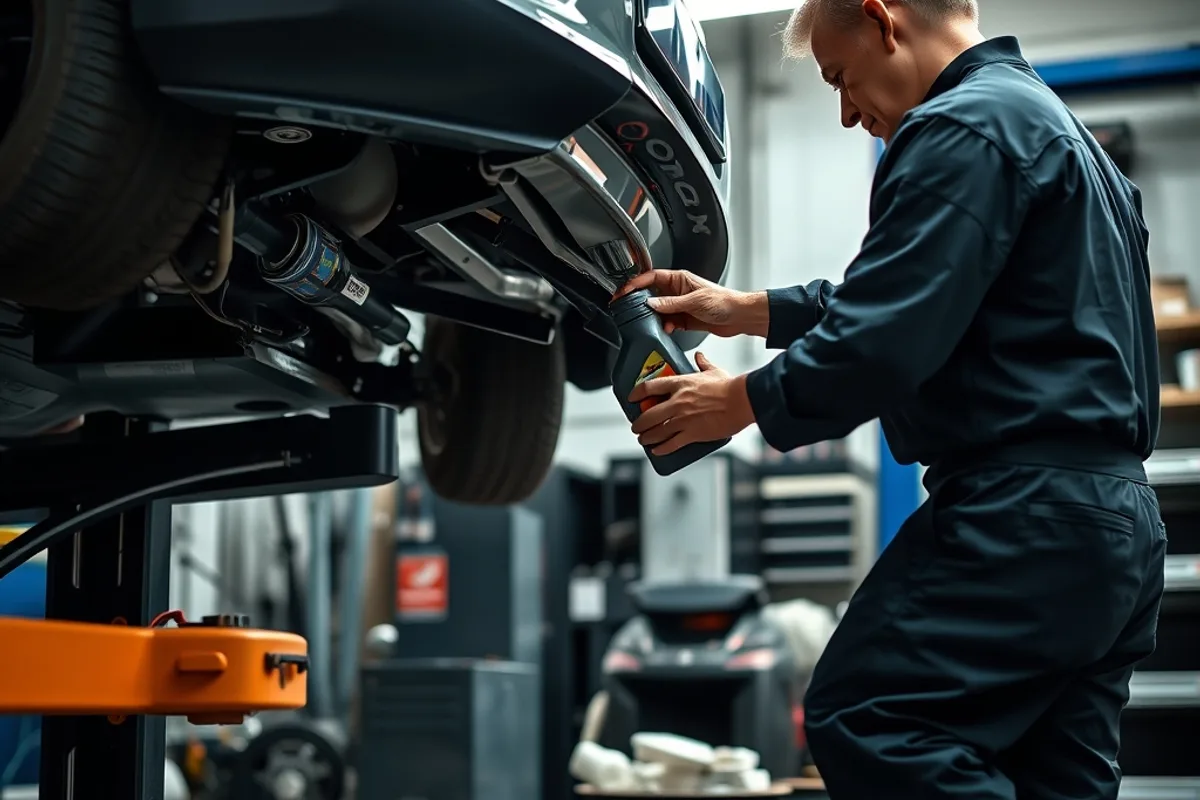
The 12-Month Car Maintenance Calendar Every Owner Needs
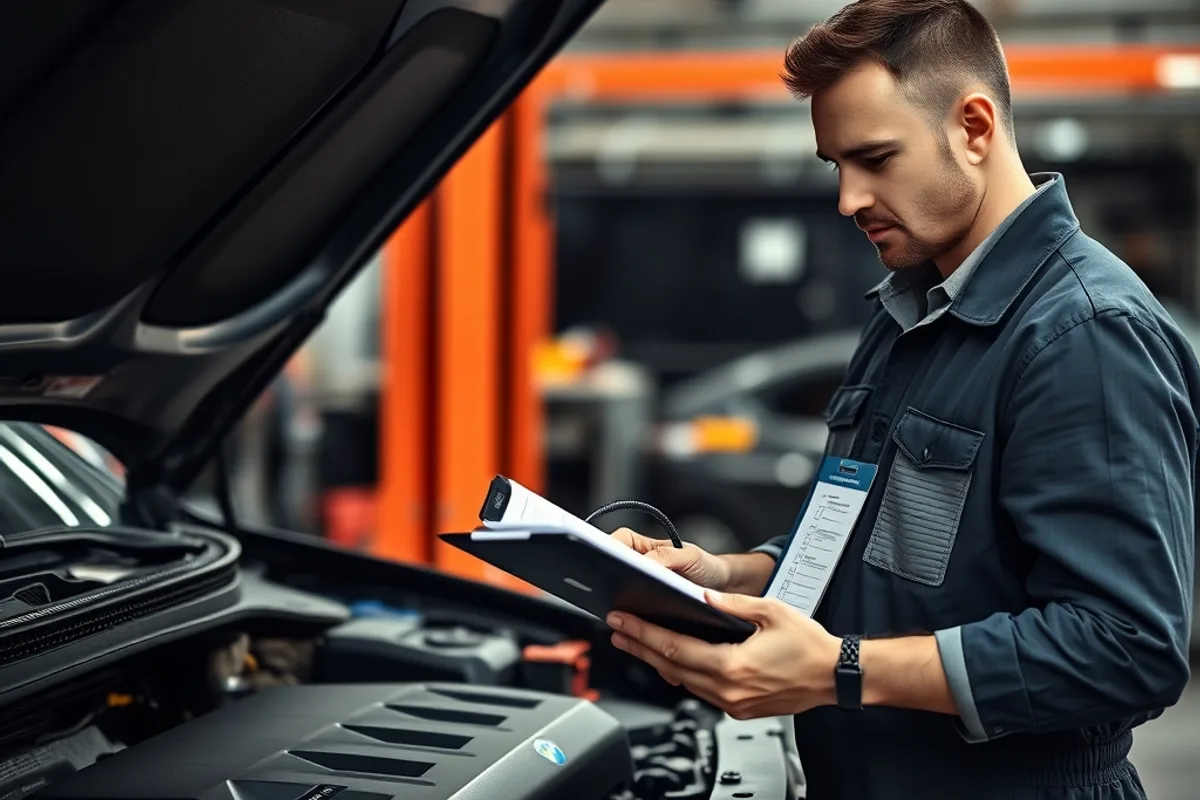
Most car owners do not need a complicated maintenance philosophy. They need a calendar. Modern vehicles are more reliable than ever, but they still consume fluids, wear tyres and accumulate small faults that become expensive if ignored. A planned year of checks costs less than one roadside recovery and the repair that follows it.
The schedule below assumes a normal petrol or diesel car driven around 10,000 to 15,000 kilometres a year. Electric cars skip oil and exhaust work but still need tyres, brakes, cabin filters and coolant checks. Always let the manufacturer's service book override this calendar, especially during the warranty period.
Monthly checks that take ten minutes
Once a month, check tyre pressures when the tyres are cold, including the spare if you have one. Look for nails, bulges and uneven wear. Top up windscreen washer fluid and check that the wipers clear the glass without streaking. Walk around the car and look for new scratches, cracked lenses or a leaking shock absorber.
Open the bonnet and check the coolant and brake fluid levels against the marks. Do this when the engine is cold, and never open a hot coolant cap. If a level drops repeatedly, you have a leak to investigate rather than a top-up to perform. Photograph anything unusual so you can compare it next month.
Quarterly: tyres, brakes and lights
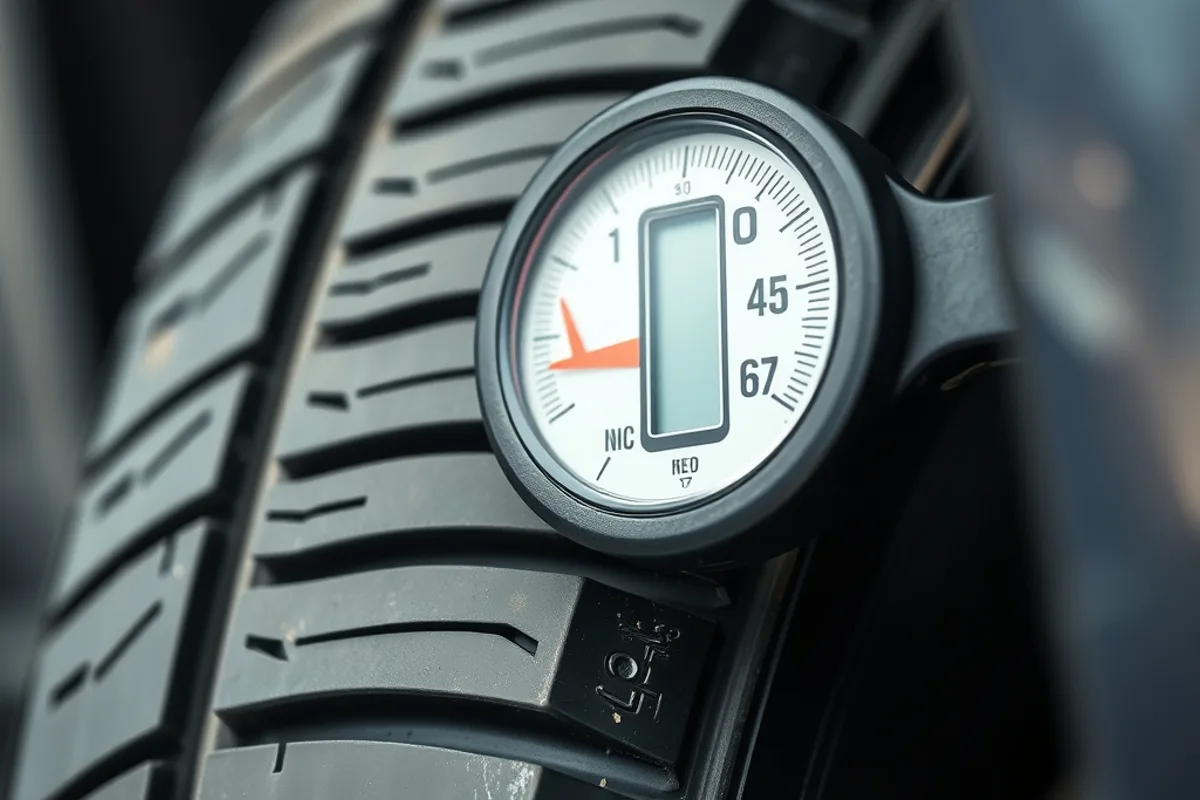
Every three months, measure tread depth across each tyre rather than only at the edge. Legal minimums vary by country, but grip falls long before the limit, especially in rain. Check the sidewalls for cracks and the date code for age. Tyres older than six to eight years should be inspected closely even if the tread looks fine.
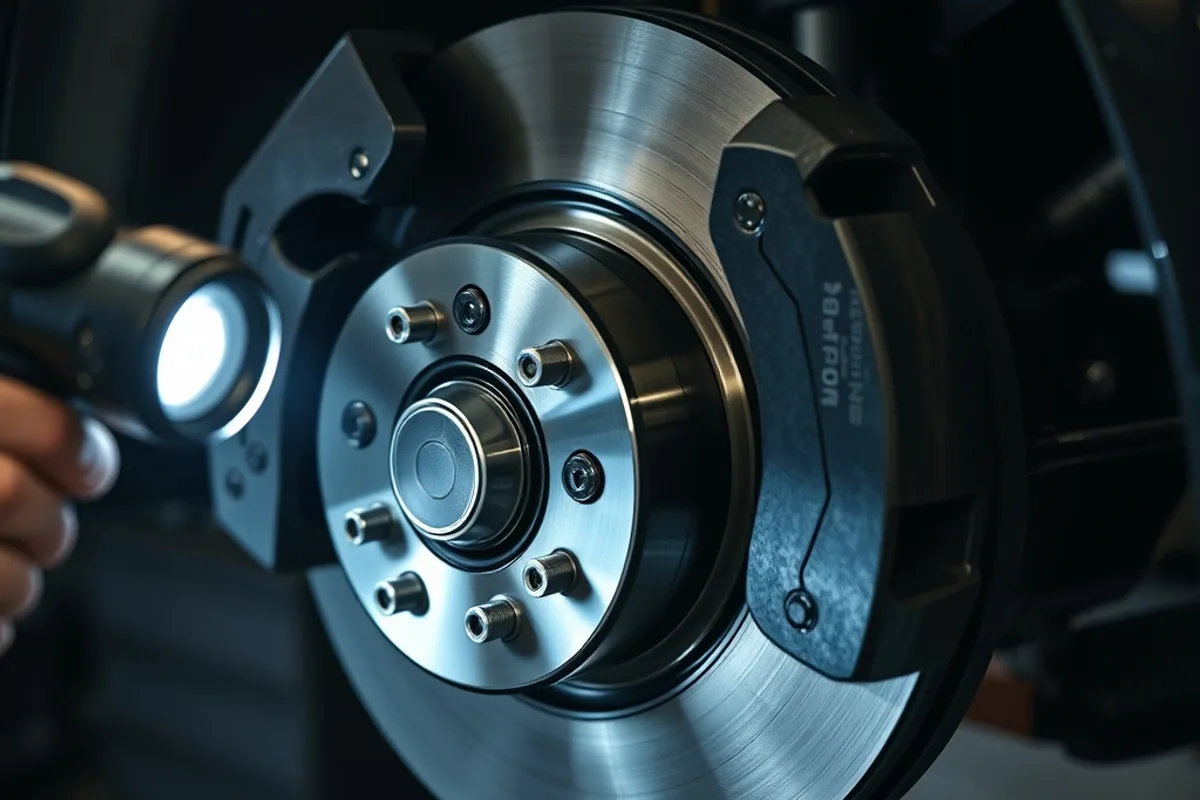
Look through the wheel spokes at the brake discs and pads. A light surface film of rust after rain is normal; deep grooves, a strong lip on the disc edge or a grinding noise are not. Test every exterior light with a helper, including brake lights and indicators. A failed bulb is cheap to fix and expensive to explain to a police officer.
Every six months: fluids and filters
Engine oil condition matters more than a generic interval. Short city trips, cold starts and heavy traffic are harder on oil than steady motorway miles. Follow the manual's severe-service interval if your driving matches that pattern. When in doubt, an oil analysis is cheaper than an engine repair.
Cabin and engine air filters are easy to inspect and often ignored. A clogged cabin filter fogs the windows and stresses the blower motor. A dirty engine filter costs fuel. Brake fluid absorbs moisture over time and should be replaced on the maker's schedule, usually every two to three years, regardless of mileage.
The annual service
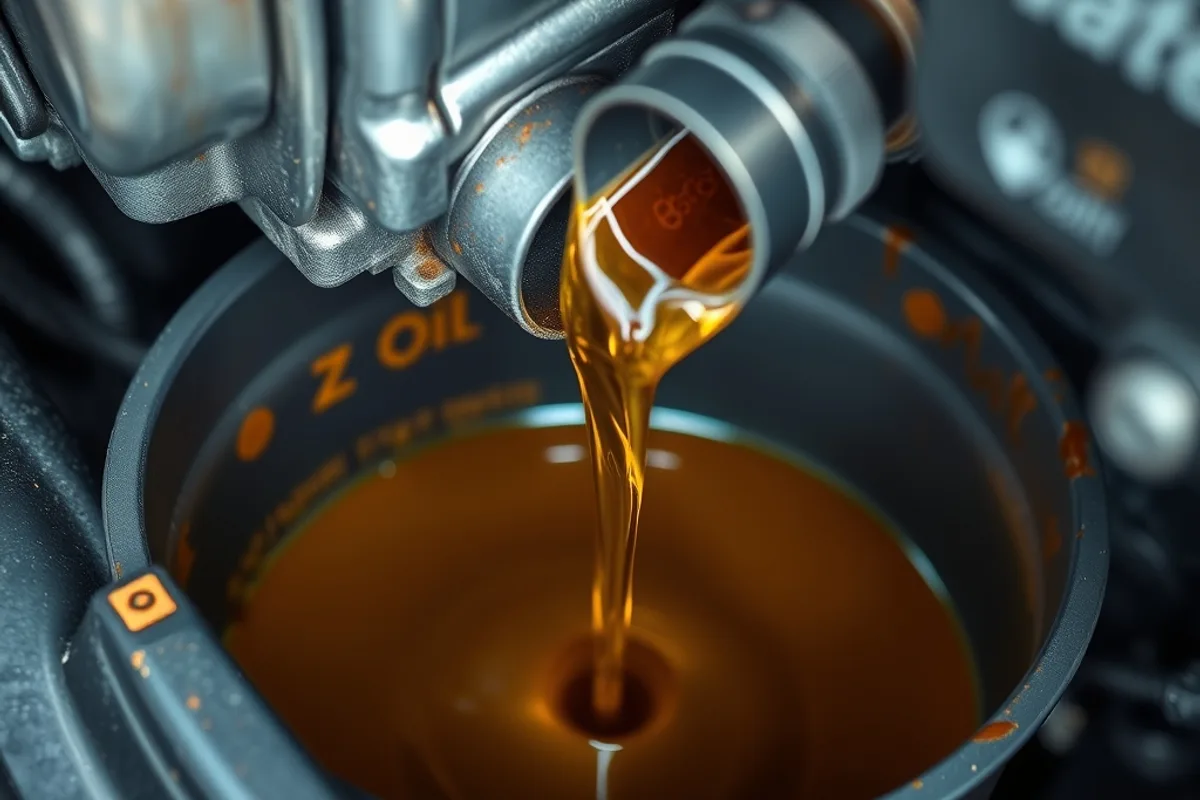
Once a year, book a proper service with an oil and filter change, a brake inspection, a suspension check and a diagnostic scan. Ask for the old parts or at least photos, and keep the invoice. A stamped service history protects resale value and helps if you need to claim on a warranty.
Use the correct oil specification rather than whatever is on special. Modern engines with turbochargers and variable valve timing are sensitive to the wrong viscosity and additive package. If you drive an older car, this is doubly important because tolerances are already worn. For a step-by-step walkthrough, see our DIY oil change guide.
Seasonal preparation
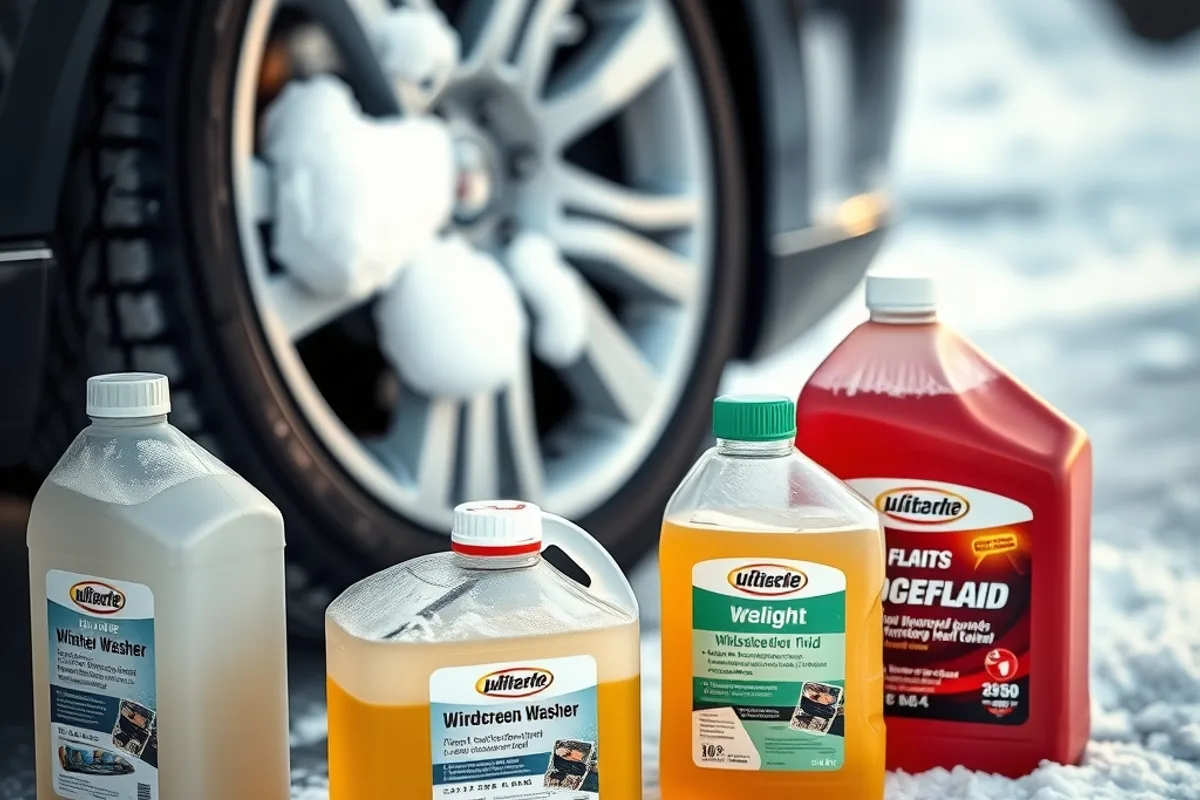
Before winter, test the battery, check antifreeze strength and replace worn wipers. Cold weather exposes a weak battery that worked fine in summer. Before summer, check the cooling system, air conditioning performance and tyre pressures again, because heat raises pressure and stresses old coolant hoses.
Keep a simple emergency kit: a torch, gloves, a tyre gauge, a phone charger and a reflective triangle. In hot climates, add water and sun protection. In cold climates, add a scraper and a warm blanket. None of this replaces proper maintenance, but it makes a bad day less dangerous.
What you can safely skip
Not every upsell is necessary. Engine flushes, fuel system cleaners and premium cabin treatments are rarely required on a healthy car with regular servicing. Dealerships sometimes recommend short intervals that benefit the workshop more than the engine. Read the manual and ask for the reason behind any extra work.
That said, do not skip the cheap stuff. A clogged pollen filter, a worn serpentine belt or a tired battery can leave you stranded for want of a small part. The FuelEconomy.gov maintenance guide is a useful independent reminder of which items affect economy and safety.
Keeping records that pay you back
Write down the date, mileage and work done for every service, and keep receipts in a folder. When you sell, a complete history is worth real money and shortens the negotiation. It also helps you spot patterns, such as repeated coolant loss or premature tyre wear that points to an alignment problem.
A calendar on the wall or a reminder on your phone is enough. The goal is not to become a mechanic. It is to catch small problems while they are still small, and to know when a quoted repair is reasonable. Our guide to auto loan pre-approval explains why a well-maintained car also gets better finance terms.
The bottom line
Reliable cars are usually maintained cars. Check the basics monthly, service annually, prepare for the season and keep the receipts. That routine costs a fraction of a major repair and keeps the car pleasant to own for far longer.
Maintenance is cheapest when it is boring. The expensive repairs are almost always the checks that were postponed.Sylvesterdess Editorial
We cross-check our advice against independent, official sources. For safety data see the National Highway Traffic Safety Administration, and for real-world economy figures see FuelEconomy.gov.