Home EV Charging: Costs, Wiring and Timelines in 2026
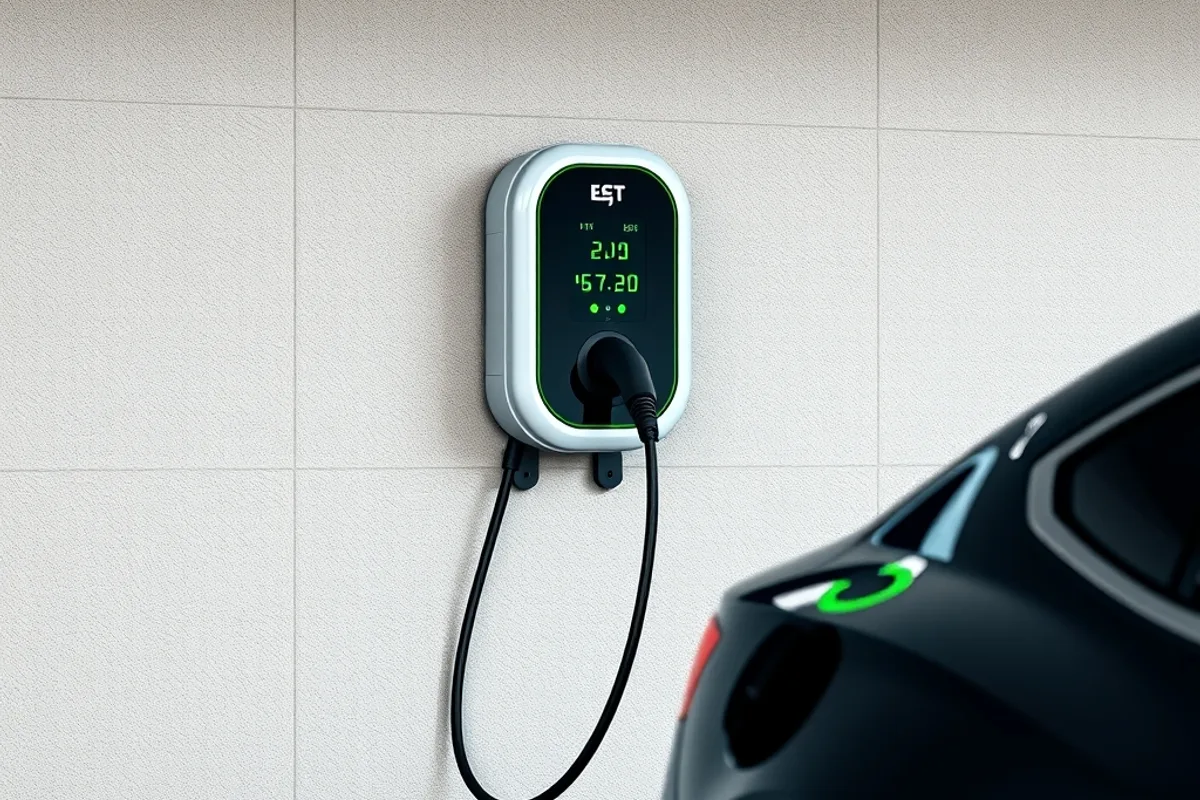
Home charging is the reason many electric car owners never miss a petrol station. Plug in overnight, wake up full, and pay far less per kilometre than you would at a public rapid charger. The catch is that the installation is a small electrical project, and the cost depends on your house as much as your car.
This guide covers the practical steps in 2026: assessing your supply, choosing a charger, getting it installed and charging cheaply. It is general information rather than electrical advice. A licensed electrician must confirm what your property can support.
How much power you actually need
Most drivers do not need the fastest charger. A 7 kW wall unit adds roughly 30 to 50 kilometres of range per hour depending on the car, which is plenty for an overnight top-up. A 3-pin plug charger is slow but can work for low-mileage drivers, while an 11 kW or 22 kW unit only helps if the car's onboard charger supports it.
Check the car's maximum AC charging rate before buying hardware. Paying for a faster charger that the car cannot use is wasted money. If you have a second EV or plan to add one, a charger with load balancing can share the available power between two vehicles.
Assessing your electrical supply
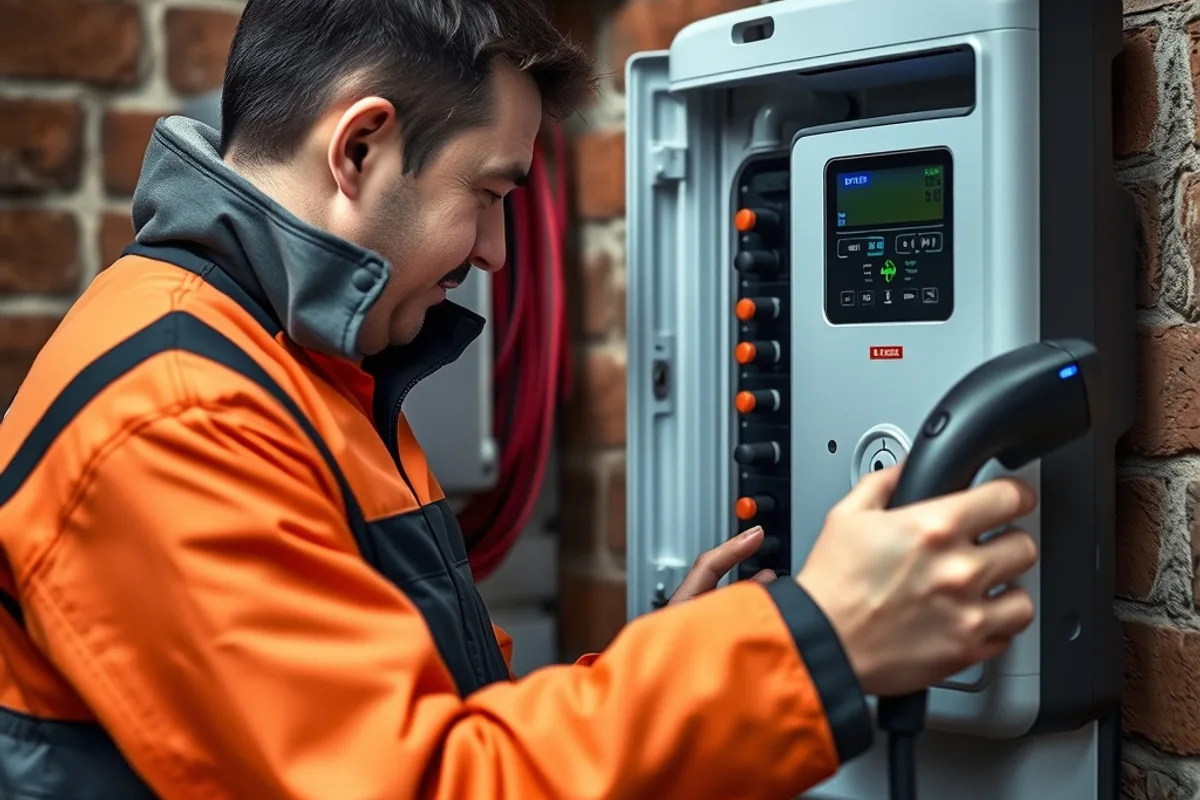
An electrician will check the main fuse, the consumer unit and the earthing arrangement. Older homes may need an upgrade before a charger can be fitted safely. A long cable run from the meter to the parking space adds cost, and a detached garage can require a new trench or a separate supply.
Ask for a load calculation and a written quote that covers the cable, protection devices, labour and any remedial work. Do not accept a quote that ignores the supply check. A charger that causes nuisance tripping or overheats a cable is worse than no charger at all.
Choosing a charger
Look for a unit with a reputable safety certification, a tethered cable or a socket that suits your car, and smart features if you want scheduled charging. A weatherproof rating matters if the charger is outdoors. A lock or app control is useful if the charger is accessible from the street.
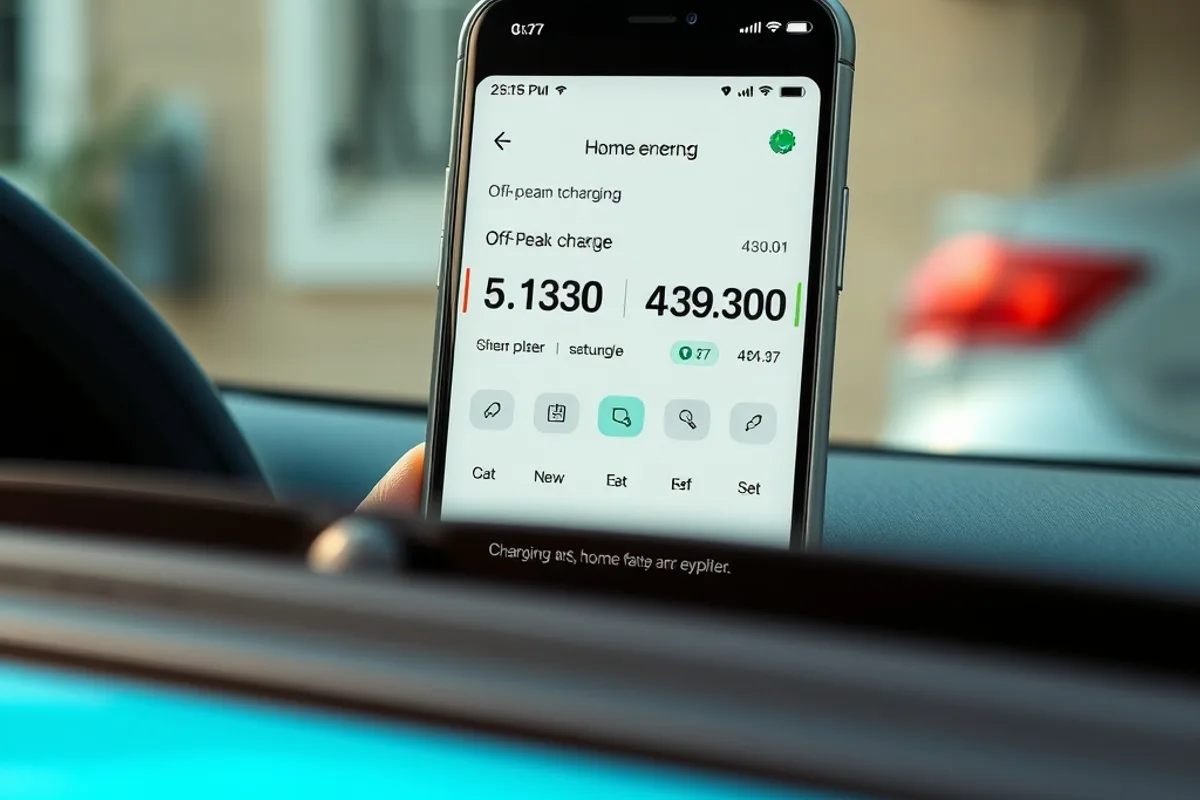
Smart charging lets you use off-peak electricity and, in some regions, earn money by shifting demand. Check that the app works reliably and that the charger receives software updates. Avoid unknown brands with no local support, because a failed charger is an expensive brick.
Installation and permits
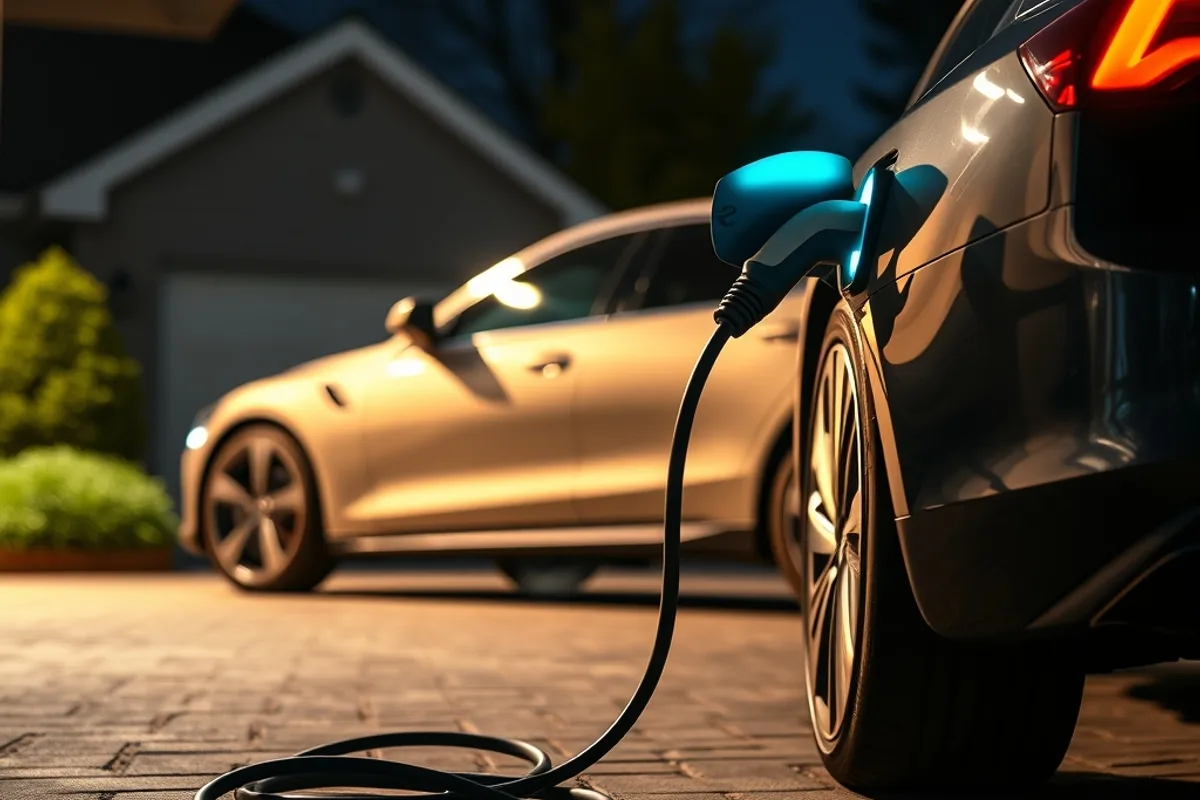
Installation usually takes a few hours once the survey is done, but the timeline can stretch if permits, supply upgrades or trenching are needed. Book the electrician before the car arrives if possible. Ask whether the work needs building consent or notification in your area, and keep the certificate for insurance and resale.
The charger should be mounted at a comfortable height, with the cable routed so it does not cross a walkway or hang in a puddle. If the parking space is shared, agree on cable management with neighbours. A simple hook or holster keeps the connector clean and off the ground.
Charging cheaply
Electricity tariffs matter as much as the charger. A time-of-use plan with a cheap overnight window can cut running costs substantially. Set the car or charger to start during that window, and use pre-conditioning while still plugged in if your car supports it.
Solar panels can make daytime charging very cheap, but only if the car is home when the sun shines. A charger with solar diversion can match output to available generation. The US Department of Energy charging guide explains the different charging levels in plain language.
Battery care at home
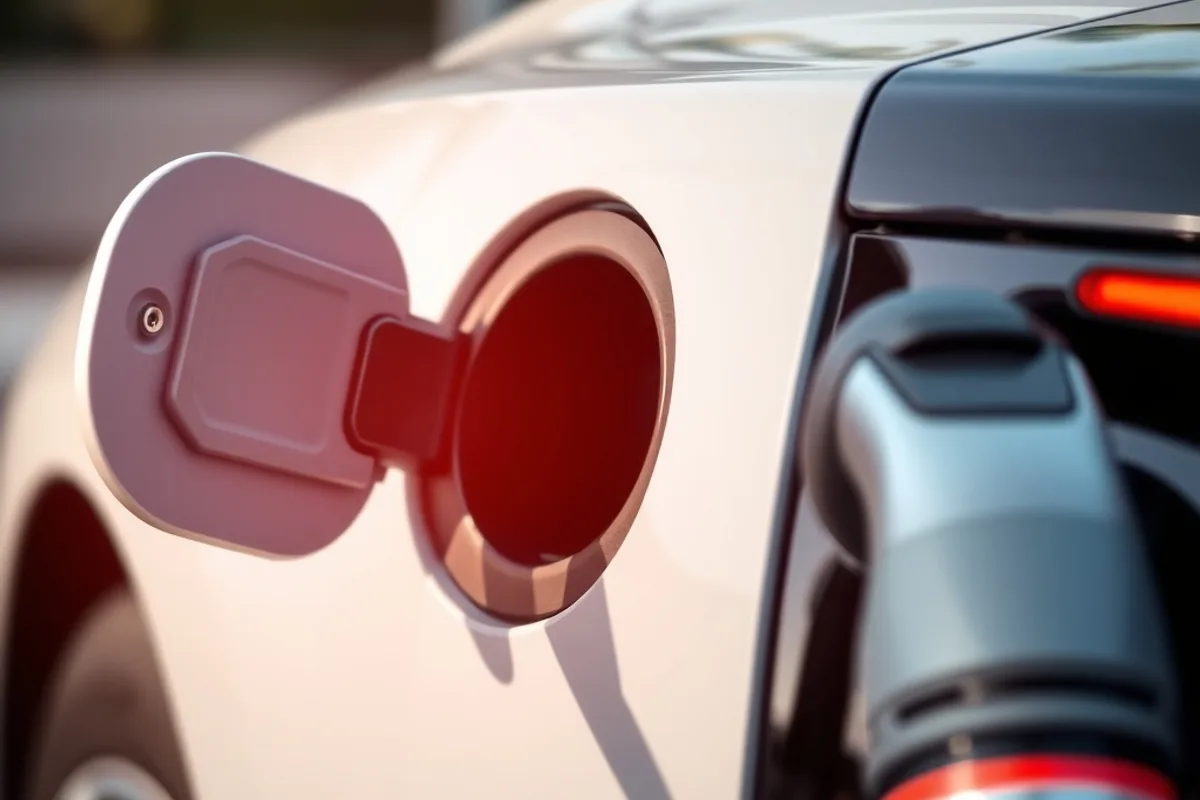
For daily use, keeping the battery between roughly 20 and 80 percent is gentler than constant full charges, unless your car uses a different chemistry or recommends otherwise. Many EVs have a charge limit setting; use it. Save a full charge for the night before a long trip.
In very cold weather, charge after driving while the battery is warm and use the car's pre-conditioning. In hot climates, park in shade where possible. Our guide to EV battery health covers the habits that protect range over several years.
What if you cannot charge at home
Without a driveway, home charging may not be possible. Some owners rely on workplace charging, public chargers or a nearby rapid hub. That can work, but it changes the ownership experience: you will spend more time planning and may pay more per kilometre. Be honest about your routine before buying an EV.
If you rent, ask the landlord about installing a charger or using an existing outlet safely. Some regions offer grants or right-to-charge rules. Do not run an extension lead across a pavement or through a window as a permanent solution.
The bottom line
Home charging is usually the cheapest and most convenient way to run an EV. Get the supply checked, choose a charger that matches the car, budget for the cable run and use an off-peak tariff. Do that, and most of the day-to-day friction disappears.
The charger is the cheap part. The cable run, the supply check and the paperwork decide what home charging really costs.Sylvesterdess Editorial
We cross-check our advice against independent, official sources. For safety data see the National Highway Traffic Safety Administration, and for real-world economy figures see FuelEconomy.gov.